
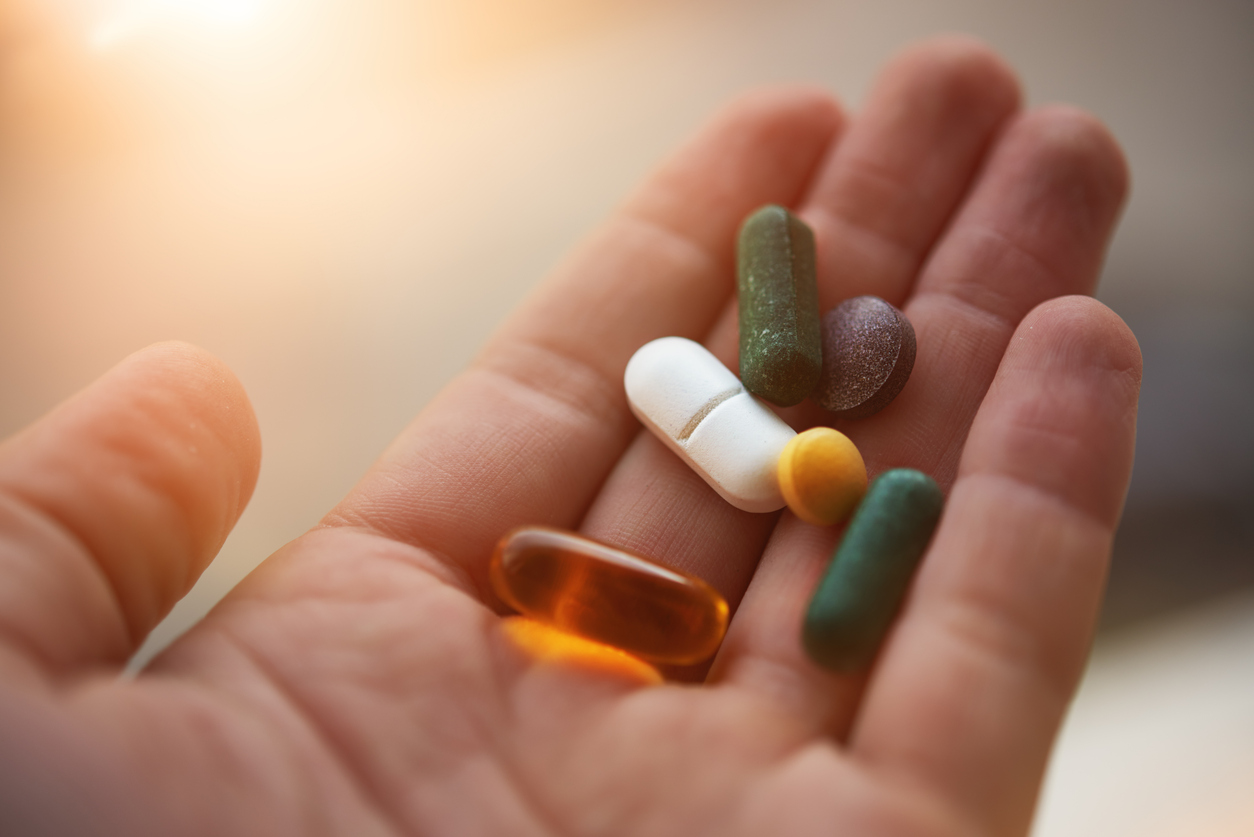
The big fat vitamin and mineral guide
If you’ve ever found yourself standing in the vitamin aisle at the supermarket, you’ll know that there’s an overwhelming number of supplements out there. What do they all do?! Should you be taking them? Are we all meant to be popping these pills on the daily?!
For many men, especially those trying to lose weight or gain muscle, it can feel like supplements are a shortcut to success, but most of the time, real food covers your needs
Buckle up for a look at all the vitamin and minerals we need.
What’s a vitamin?
First up, the very basics. Vitamins are nutrients that play different roles in the body. We need vitamins to stay healthy, but our bodies aren’t great at producing them, which is why we get most of our vitamins from the food we eat.
Pro tip: focusing on whole foods rather than expensive supplements often gives better results for energy, recovery, and performance.
Types of vitamin
What’s it for?
Vitamin A helps your immune system function properly, and it’s essential for eye health. Vitamin A deficiency can lead to vision trouble (including blindness), but it’s rare in the UK, and more of a problem in low-income countries.
Sources of vitamin A
- Leafy green vegetables, carrots, cheese, eggs, oily fish
- Liver is particularly high in vitamin A, so if you’re partial to a bit of liver pâté keep it to a max of once a week to avoid getting too much vitamin A
Do I need a supplement?
No, most people get enough vitamin A in what they eat.
There are loads of types of vitamin B:
- Vitamin B1 (thiamin) is important for nervous system health, and to help the body break down food efficiently. It can be found in peas, nuts, bananas and fortified breakfast cereals.
- Vitamin B2 (riboflavin) helps support skin and eye health, and helps the body release energy from food. You can get it from milk, eggs, mushrooms and fortified breakfast cereals.
- Vitamin B3 (niacin) also helps the body release energy from food, and also contributes to skin and nervous system health. Get it from meat, fish, peanuts, and eggs.
- Vitamin B6 (pyridoxine) helps the body make haemoglobin, which carries oxygen around the body in the blood, and to store energy. Find it in pork, poultry, peanuts, oats and bananas.
- Vitamin B7 (biotin) helps the body make fatty acids. Your body is able to make this from the bacteria in your bowel.
- Vitamin B9 (more commonly known as folate or folic acid) helps the body form healthy red blood cells. It also reduces the likelihood of birth defects, which is why you often hear about it in relation to pregnancy. Folate can be found in broccoli, Brussels sprouts and other leafy green vegetables. A lack of folate can lead to folate-deficiency anaemia, the symptoms of which include fatigue, pins and needles and muscle weakness.
- Vitamin B12 contributes to nervous system health and the production of red blood cells. It also helps the body use folate (see above). Sources include meat, fish, milk and cheese. A lack of vitamin B12 can lead to vitamin B12-deficiency anaemia, much like folate-deficiency anaemia (see above).
Do I need a supplement?
Possibly. You may need a vitamin B12 supplement (or B12-enriched nutritional yeast to add to food) if you’re vegan, because you won’t be eating the animal products that contain the most B12. You can get enough of the other B vitamins through your diet, especially as foods like cereal and bread are often enriched with B vitamins.
What’s it for?
Vitamin C is important for your health: it protects your cells and contributes to the health of your skin, blood vessels, bones and cartilage. It also helps to heal wounds. A severe lack of vitamin C over a prolonged period of time causes scurvy, which can lead to loose teeth, bleeding gums and bleeding under the skin.
Sources of vitamin C
- Citrus fruits (oranges, kiwi, lemon)
- Strawberries
- Tomatoes
- Peppers
- Potatoes
Do I need a supplement?
Probably not. You should be able to get all the vitamin C you need from your diet, as long as you’re eating enough fruit and veg. Some people swear by taking huge doses of vitamin C to fight off colds, but there’s no science to back this up, with the only finding that it might slightly shorten the length of your illness [https://www.ncbi.nlm.nih.gov/books/NBK279544/]
The body can’t store vitamin C, so the excess amounts of vitamin C found in some supplements is merely flushed out in your urine. For example, Berocca tablets contain 625% of your recommended daily intake (aka NRV, nutrient reference value) of vitamin C, which seems a bit pointless, unless you particularly enjoy having bright orange wee.
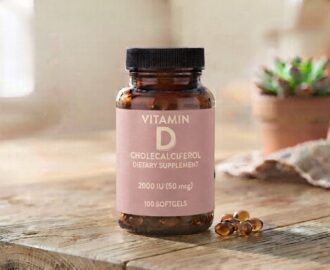
What’s it for?
Vitamin D keeps your bones, teeth and muscles healthy. A lack of vitamin D can lead to rickets in children, and a similar condition called osteomalacia in adults, both of which cause bone pain and soft, weak bones. There’s also some research to suggest that a lack of vitamin D can lead to mood changes (including symptoms of depression and anxiety) [https://www.ncbi.nlm.nih.gov/pmc/articles/PMC9468237/] and fatigue.
Sources of vitamin D
- Oily fish
- Red meat
- Egg yolks
Do I need a supplement?
Yes, probably. Vitamin D is mostly made by the body from sunlight (which is why it has the nickname of ‘the sunshine vitamin’), and well, the UK isn’t the best place if you’re looking for sunlight.
The government recommends that everyone takes a vitamin D supplement in the autumn and winter months because it’s hard to get what you need from food alone. If you don’t go out much in the summer, you could take a supplement year-round.
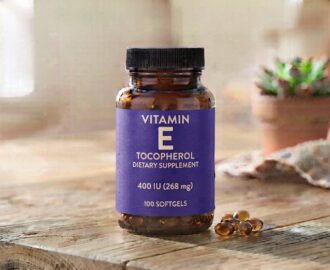
What’s it for?
Vitamin E is important for healthy skin and eyes, and it also helps keep the immune system functioning properly. A lack of vitamin E can lead to difficulty walking, weak muscles and coordination difficulties.
Sources of vitamin E
- Nuts and seeds
- Plant oils, like vegetable oil, sunflower oil and olive oil
- Wheatgerm, which is found in cereals
Do I need a supplement?
Nah. You should be able to get all you need from what you eat, plus the body can store vitamin E so you don’t need to get it every day.
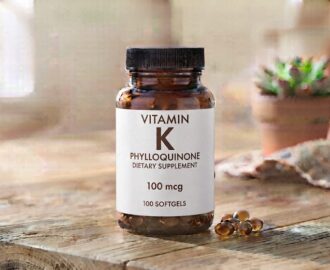
What’s it for?
Vitamin K helps blood clot and wounds to heal. Not getting enough vitamin K can make you bruise and bleed more, but vitamin K deficiency is rare.
Sources of vitamin K
- Green leafy vegetables, like kale, spinach, and cabbage
- Vegetable oil
Do I need a supplement?
No, you can get what you need from food. People who take the blood-thinning medication Warfarin should be careful about foods containing vitamin K – not that you need to avoid leafy greens, just that you should be consistent about eating them. Talk to your GP or warfarin team for clarification if you’re unsure.
Other minerals
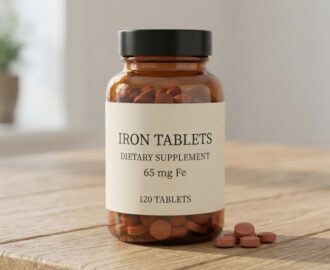
What’s it for?
Iron is important for making red blood cells and maintaining healthy blood that can carry sufficient oxygen to all parts of your body. A lack of iron can lead to iron-deficiency anaemia, which can cause fatigue, light headedness and shortness of breath.
Sources of iron
- Red meat
- Black pudding
- Liver and kidney
- Cockles, pilchards and sardines
- Beans, including lentils and baked beans
- Some cereals, including Bran Flakes and Special K
Vitamin C helps improve the absorption of iron, so eating foods high in iron alongside foods high in vitamin C is beneficial.
Do I need a supplement?
Maybe. Men tend to need less iron than women, and so most people can usually get what they need from food alone. Vegetarians and vegans should pay special attention to their iron intake, since they won’t be eating iron-rich meat and fish. Blood loss (e.g. after a operation) can also lead to an iron deficiency.
It’s important to only take iron tablets if a doctor tells you that you need them, as too much iron can be dangerous. See your GP if you’ve got the symptoms of anaemia – a simple blood test can check your iron levels.
What’s it for?
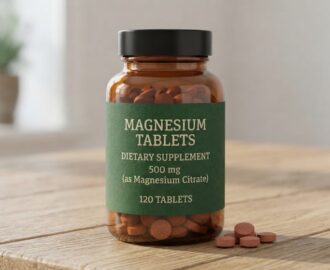
Magnesium is a mineral that helps the body produce hormones and turn food into energy.
Sources of magnesium
- Green leafy vegetables like spinach
- Nuts
- Wholemeal bread
Do I need a supplement?
No, you can get what you need from food. Some magnesium supplements boast that they’ll help you relax and improve your sleep, but there’s not much research to back this up. If you do fancy giving it a go, though, don’t take more than 400mg a day unless you want to experience diarrhoea.
What’s it for?
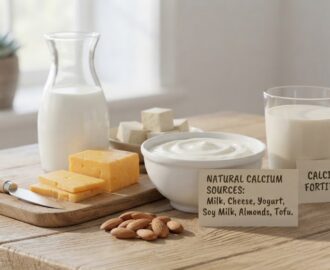
Calcium keeps your bones and teeth healthy, and like vitamin D deficiency, a lack of calcium can lead to rickets in children and osteomalacia (soft, weak bones) or osteoporosis (fragile bones) in adults.
Sources of calcium
- Milk, cheese, yoghurt
- Fortified plant-based milks, like soya milk
- Sardines and pilchards (if you eat the bones)
- Almonds
- Tofu
Do I need a supplement? No. You can get what you need from food, especially as a lot of foods in the UK are fortified with calcium.
Do I need to take vitamins?
So, the big question: do you need to take vitamins? Whether you’re thinking of taking a single vitamin or going for a daily multivitamin, the truth is that you probably don’t need it as long as you’re eating a healthy, balanced diet.
Instead of reaching for a multivitamin, MAN v FAT members should focus on getting nutrients from whole foods. Tracking your meals can help you see if any vitamin gaps exist, and making small tweaks to your diet often beats popping pills. Supplements should be a last resort, not a first step.
