
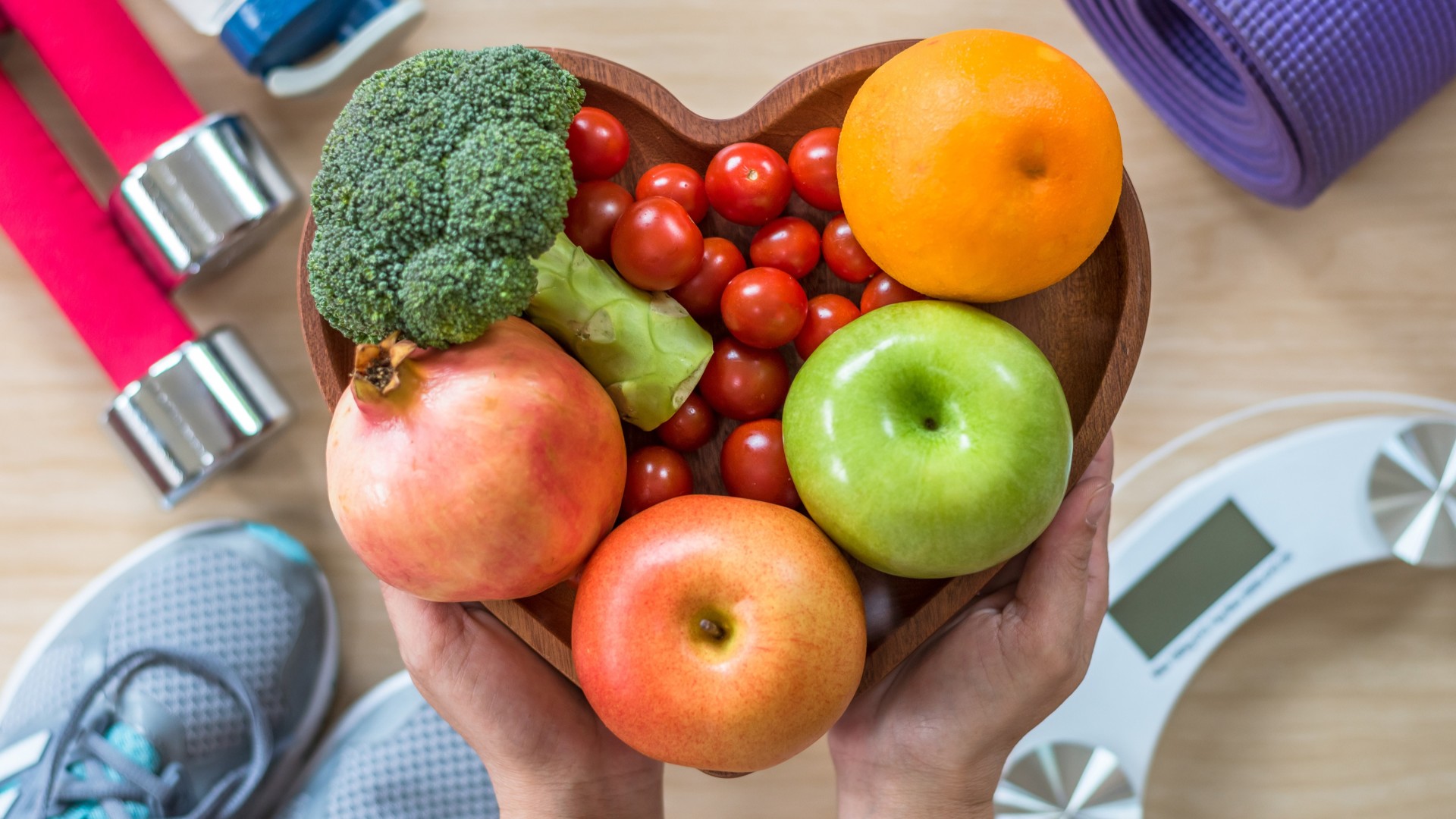
Keeping your heart healthy
Your heart is the one muscle you never get a rest from. It works 24/7, whether you’re asleep, at work, or on the pitch at your MAN v FAT session. And if you’re carrying extra weight, it’s working even harder.
Your heart quite literally keeps you alive by pumping blood around your body, so it’s worth paying it a little TLC. For many men, weight, stress, poor sleep and lifestyle habits quietly put extra strain on this vital organ without us realising.
Your heart is about the size of a clenched fist, and it works hard pumping blood, oxygen, and nutrients around your body through a network of arteries and veins. Another key job is regulating your heartbeat and maintaining blood pressure.
Unsurprisingly for such an important organ, a lot can go wrong with your heart that can result in pain, discomfort and even death.
Heart disease comes in many guises:
- Arrhythmia – heart rhythm abnormality
- Atherosclerosis – hardening of the arteries
- Cardiomyopathy – heart muscles that have hardened or weakened
- Congenital heart defects – issues you’re born with
That might sound scary, but the positive news is this: many of the biggest risk factors for heart disease are things you can directly influence. And if you’re part of MAN v FAT, you’re already on the right path.
Your heart works hard, so it needs to be strong and it needs to be supported by a healthy network of arteries and veins. High cholesterol can clog arteries thanks to a fatty substance called plaque.
So what can you actually do, day to day, to support your heart?
- Stop smoking You already know that cigarettes are really, really bad for you. The chemicals in cigarettes damage all the cells in the body, including in the heart. Smokers are 2-4 times more likely to develop heart disease than non-smokers.
If you smoke, quitting is one of the single biggest things you can do to improve your heart health almost immediately.
- Reducing your alcohol intake
Heavy drinking can cause high blood pressure, which strains the heart and affects heart muscle. Stick to the NHS’ guidance of no more than 14 units of alcohol a week, and give your body a break by having several alcohol-free days during the week.
Many members find alcohol is a hidden calorie source too, so cutting back often helps both your weight loss and your heart at the same time.
- Losing weight
You’re already here trying to do this, so well done. Being obese can cause structural and functional changes in the heart which can result in heart failure.
Every pound you lose reduces the load on your heart. This isn’t just about the scales – it’s about making the job of your heart easier every single day.
- Keeping active
The heart is a muscle and like all other muscles, it can be strengthened by exercise. Current guidelines suggest we do at least 150 minutes of moderate exercise each week, and a mix of activities is best.
The good news? Your weekly MAN v FAT session already ticks a big box here.
Aerobic activities that make you out of breath improve circulation and reduce blood pressure and heart rate. This reduces strain on your heart. Examples include jogging, cycling, swimming, tennis, team sports and hiking.
- Strength and resistance training improves body composition, decreasing body fat and boosting lean muscle. Excess body fat is linked to high cholesterol which strains the heart.
- Stretching and balance exercises aren’t directly linked to heart health, but activities like yoga promote flexibility and range of motion, helping you stay active and injury-free.
Eating well
Eating to support your heart is an easy win. Cut down on fried, fatty foods as these are linked with high levels of LDL (bad) cholesterol which can lead to heart disease, heart attack and stroke.
You don’t need a perfect diet. You just need consistent, sensible choices most of the time.
Eat more
- Varied fruit and veg – many help lower blood pressure and reduce bad cholesterol
- Berries, bananas, watermelon, apples, grapes, leafy greens, okra, aubergine, kiwi and beetroot
- Fruit and veg raw, steamed or roasted (just not fried)
In moderation
- Wholegrain bread, rice, potatoes and pasta
- Milk and dairy products
- Meat, fish, eggs, beans and plant-based proteins like tofu
- Small amounts of healthy unsaturated fats including oily fish, avocado and nuts
Avoid or reduce
- Highly processed foods like pastries and sausages
- Excess salt
- Saturated and trans fats found in fatty meat and junk food
- Alcohol – keep within the 14 units per week guideline
Lower your stress levels
When you’re stressed your body produces hormones which elevate blood pressure and heart rate. It’s also common to overeat when stressed, which adds further strain to the heart.
Even five minutes a day to switch off can make a difference. Yoga, meditation and talking to friends can all reduce stress and give you better coping strategies.
Golden slumber
Sleep is vital for your body to repair and rejuvenate, and this includes the heart. When you’re asleep, your heart gets to rest, so aim for 7–9 hours a night.
Poor sleep is linked to higher stress, worse food choices and lower activity levels – all of which impact heart health.
When to see your GP
If you’re worried about your heart or experiencing any of the symptoms below, contact your GP:
- Chest pain, pressure, feelings of fullness or discomfort
- Discomfort in other areas of your body
- Difficulty breathing or dizziness
- Nausea and cold sweats
When to call 999
If these symptoms come on suddenly, don’t go away, or are accompanied by the following, call 999:
- Pain spreading to your arms, neck, back or jaw
- Swollen feet, ankles or lower legs
- Speech problems
- Sudden confusion or memory loss
- Weakness on one side
- Fainting
Your Action This Week
This week, pick one thing from this article to improve. Not everything. Just one.
- Maybe it’s cutting two beers out.
- Maybe it’s adding a 20-minute walk.
- Maybe it’s getting to bed earlier.
Small changes, done consistently, take huge pressure off your heart over time. And that’s what this journey is really about – not just losing weight, but giving your body an easier, healthier life.
