
Articles Tagged with: highlight

Wellbeing Roundup, Powered by JAAQ: February 2026

Think of this as your team sheet for your mind, where we look back at last month’s action, share the top plays, and spotlight the resources and support that help keep our mental game strong.

February was a busy month on the mental fitness front, and we’ve teamed up with our partners at JAAQ to bring you the stats, top questions, and new conversations you won’t want to miss.

What’s been on your minds?

Last month on JAAQ, our members were digging into some big topics. Here’s the top 5 most searched:

  1. Addiction
  2. Burnout
  3. Elite Performance
  4. Mindset
  5. Sleep

The most-watched video last month?

Steven Caulker on Addiction. In this conversation, Steven shares how his football career was deeply affected by gambling addiction, alcohol abuse, depression, and anxiety, describing how the money and pressure in professional football allowed his addiction to spiral and damage his career, relationships, and mental health. He explains that recovery came through honesty, therapy, support groups like Alcoholics Anonymous and Gamblers Anonymous, and by focusing on daily recovery, helping others, and staying connected to supportive people.

Top Questions asked in February

We get a lot of questions from our members. Here’s the most common mental health challenges you were keen to tackle;

  1. Can staying physically fit help me stay mentally fit?
  2. I want to stop gambling, any advice
  3. What is burnout?
  4. A loved one suffers from addiction, how do I help?
  5. What are the signs of burnout?
  6. What are the top tips for preventing burnout?
  7. How can I be more resilient?
  8. How do I start healthy habits?
  9. How much sleep do I need?

If any of these are on your mind, don’t worry,  you’re in good company, and JAAQ have the expert advice to help you tackle them.

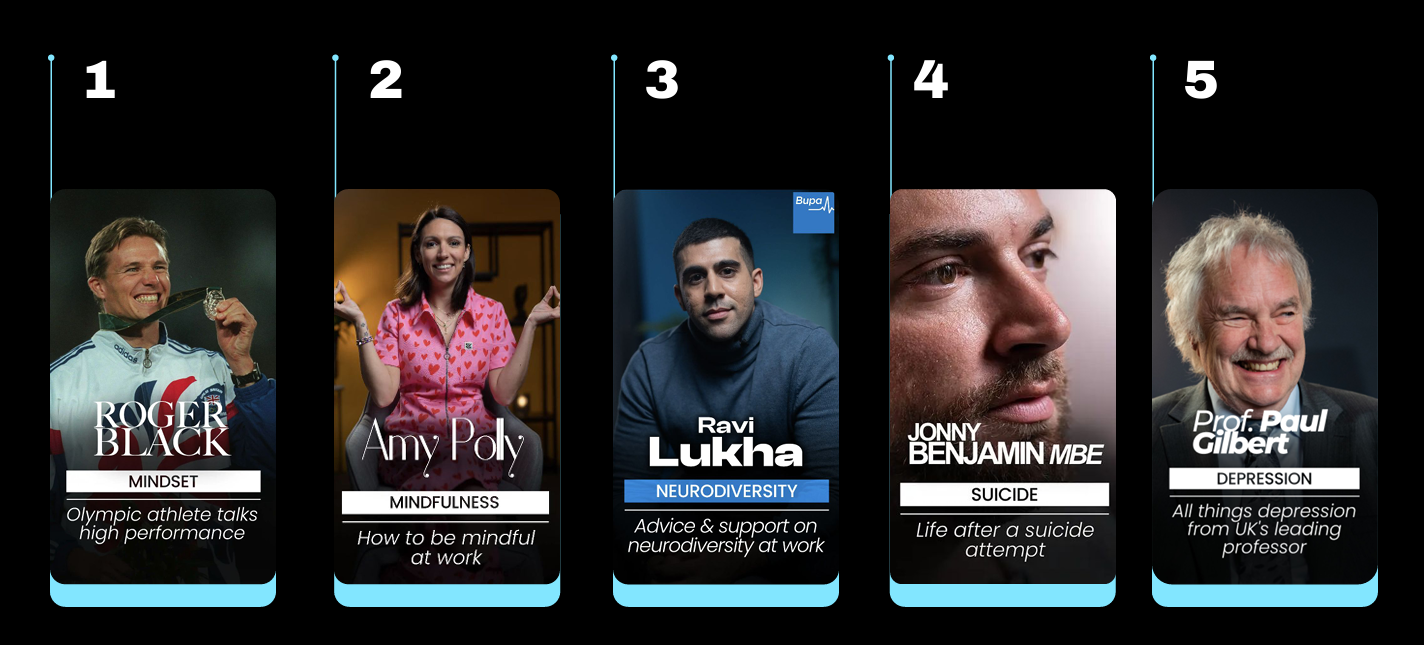
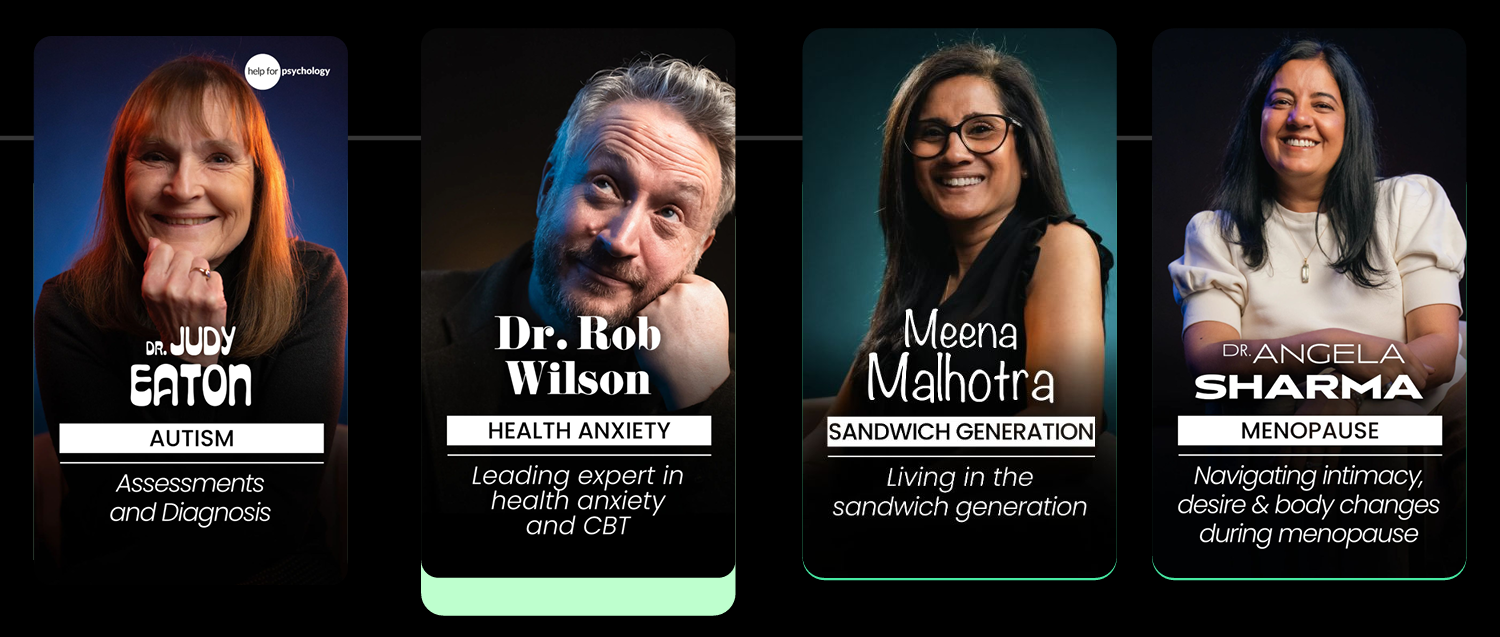
New on JAAQ: Conversations worth checking out

Our partners are keeping the mental health ball rolling with fresh discussions:

  • Lee Chambers – Autism 
  • Sharron Moffatt – Breast Cancer
  • Marc Convey – Overcoming Trauma
  • Gina Gardiner – Mindfulness

You can check out all the new and existing conversations by heading to the following page here.

Working it out: exercise after injury

Depending on the severity of your injury, exercise can be challenging or not possible at all. So how can you return to exercise after injury safely?
 

It’s vital that we give our bodies time to heal after an injury. Trying to return to or start an exercise regime too soon after getting injured will lead to further issues and downtime. That’s why it’s so important that when you’re ready to start exercising again, you do it safely.

Go easy

Before you start exercising again, it’s a good idea to get the green light from your healthcare professional like a GP or physio. They’ll be able to tell you what activity levels to aim for to avoid further injury.

If your injury allows it, start by increasing your everyday activity by walking. Start slowly with short distances and duration, and build on it over time. Doing this will start to increase your fitness levels.

Start with stretching

Injury often creates areas of tension and sometimes causes other body parts to overcompensate for the parts that are out of action. Stretching is a great way to improve blood flow to our muscles, to get our bodies feeling warmer and more supple. It’s also a low-impact way of moving that lets you listen to your body for signs of discomfort.

Listen to feedback from your body

Pain, numbness and discomfort are all ways of your body telling you there’s something wrong. If you experience any of these during or just after exercising, you should stop and dial down the intensity.

In general, if your symptoms haven’t worsened the day after a workout, you can increase the intensity of your workout next time.

Sleep well, eat well

Sleeping and eating well both make a huge difference to recovery. Sleep helps our body repair cell damage, and you should aim for 6-9 hours a night.

A balanced diet gives us the nutrients we need for healing and growth, so pack your diet with fibre-rich, colourful fruit and veg, lean proteins like chicken, pulses and fish, and healthy fats like olive oil, nuts and avocado to promote recovery and optimum functioning.

Moving forwards

Once you’re comfortably doing everyday activities and are able to do a simple stitching routine without discomfort, you’re probably ready to move on to gentle aerobic and strength training.

You’ll have to work your way up to being able to participate in high-impact exercise like rugby, football and running, but by starting small and listening to your body you’ll give yourself the best possible chance of returning to normal fitness levels.

Not quite match fit?

If you’re not quite ready to return to playing, don’t worry, recovery takes time. But that doesn’t mean you have to go it alone. Our Injury Membership lets you stay involved with your team, access support, and keep yourself accountable – all at a reduced monthly fee while you’re off the field. It’s a great way to stay on track both physically and mentally, so when you are ready to return, you’re not starting from scratch. To find out more about the injury membership, drop a message to your Player Support Team.


Lose weight, Play Rugby

Secure your spot

MAN v FAT Rugby is for men with a BMI of 27.5 or over. Over 90% of players lose weight and get fitter, why not join them.

Contact

Email: rugby@manvfat.com

Phone: 0345 163 0042

Links

Social

© 2024 MAN v FAT Limited. All rights reserved.

Terms & Conditions  |  Code of Conduct  |  Privacy Policy  |  Cookie Policy

Privacy Settings
We use cookies to enhance your experience while using our website. If you are using our Services via a browser you can restrict, block or remove cookies through your web browser settings. We also use content and scripts from third parties that may use tracking technologies. You can selectively provide your consent below to allow such third party embeds. For complete information about the cookies we use, data we collect and how we process them, please check our Privacy Policy
Youtube
Consent to display content from - Youtube
Vimeo
Consent to display content from - Vimeo
Google Maps
Consent to display content from - Google