Category: Weekly Articles

Getting ready for a new season

A new season of MAN v FAT Rugby is just around the corner, and whether you’re a seasoned pro or a newcomer, there are a few ways you can prepare for a shiny new season to hit the ground running.

Re-evaluate your goals

It’s a good idea to revisit your goals every now and then, and at the start of a new season is a great time to do this. Figure out a realistic weight loss goal for the season, considering where you are now, and what challenges you can foresee over the duration of the next season (for example, if you have any holidays booked).

Don’t just set goals for how much weight you want to lose – think about setting yourself a fitness challenge for something to work towards.

Think about nutrition

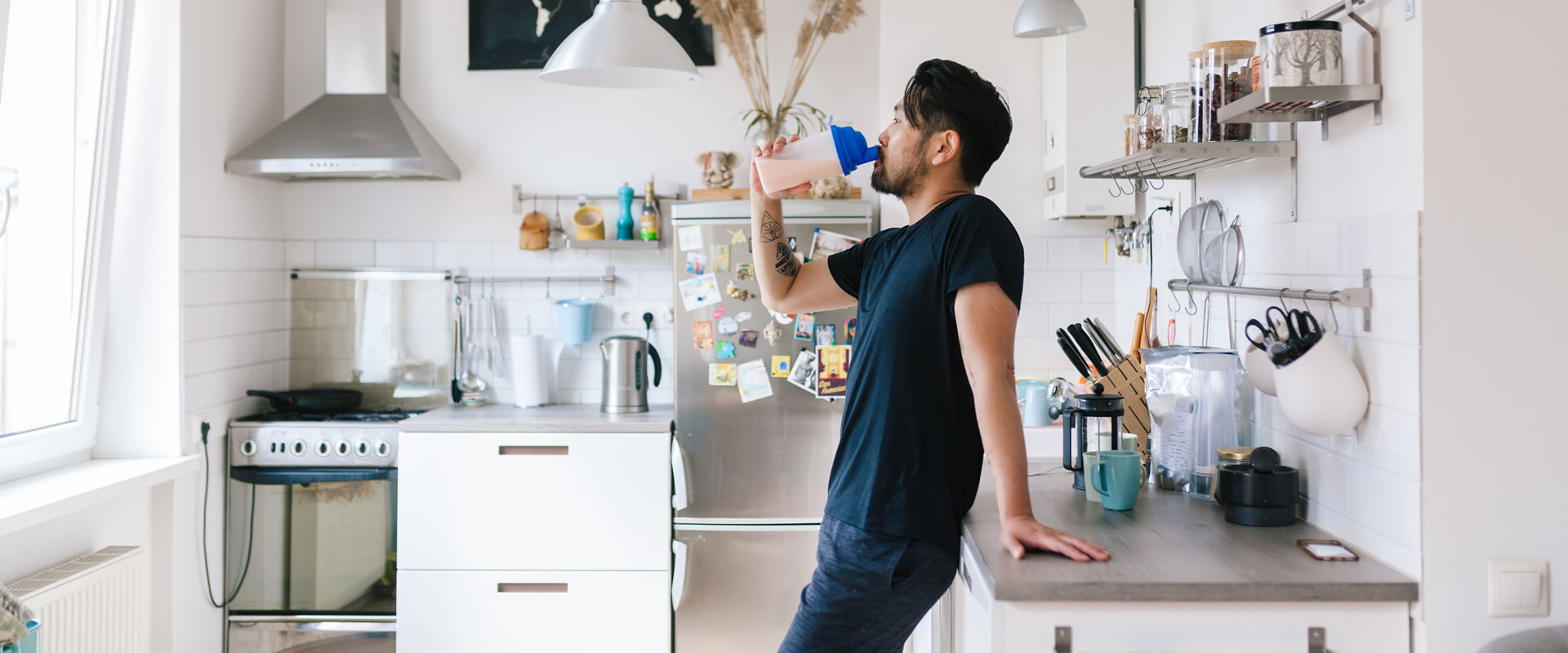
The best way of giving yourself a head start at the start of the season is to make sure your diet is as healthy and balanced as it can be.

Get into the habit of boosting your meals with plenty of vegetables and lean protein and focus on staying hydrated by drinking water steadily throughout the day. Doing this will help you optimize your performance on the pitch when the time comes.

Pre-season training

It’s not essential but getting into the rugby mindset before your games kick off can go a long way to boosting your performance on the field.

Start incorporating activities like running, swimming or cycling into your routine to boost your endurance and cardio fitness, and think about doing rugby-specific drills, focusing on boosting your speed, coordination, and upper body strength.

Rest and recovery

Aim for 7-9 hours of quality sleep a night to allow your body to recover and repair. You’ll want to arrive at your club nights feeling well rested and ready to go, and it’ll be hard to enjoy it if you’re feeling sluggish and tired.

Injury prevention

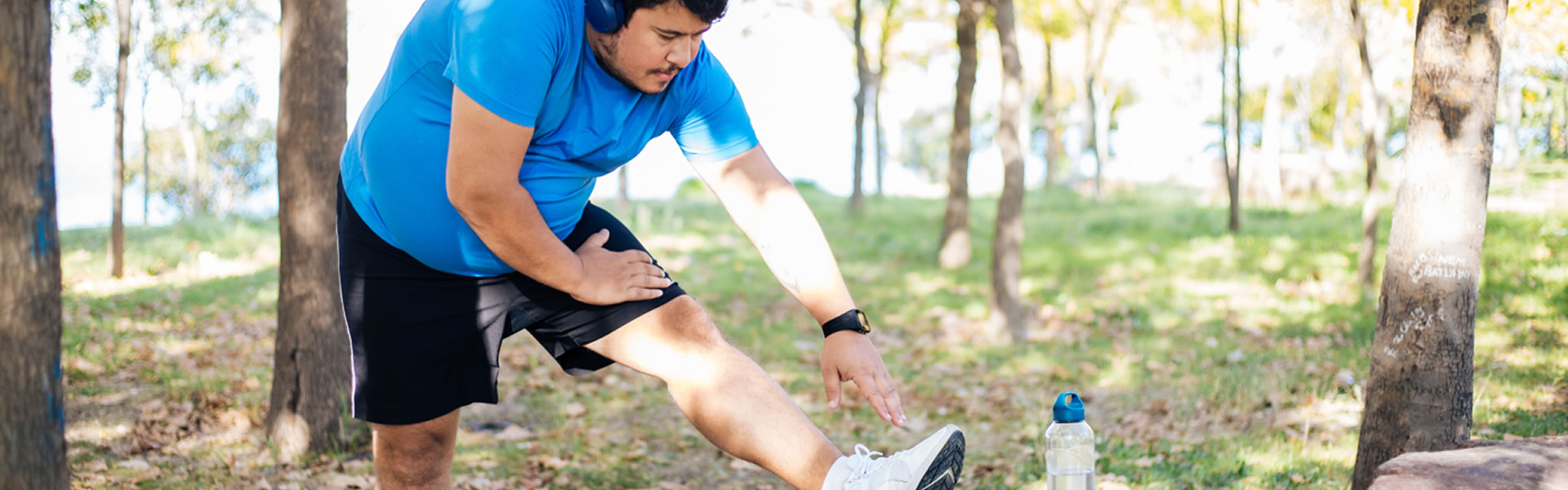
It’s always important to warm up before working out, so don’t skip the warmup. You’ll be a lot less likely to injure yourself if your body is warmed up and ready for exercise, so have a read of 5 simple dynamic warm ups to swerve injury to prepare.

Above all, try and enjoy the start of a new season! It’s great to start with a blank slate, so make the most of it by showing up, giving it your best, and enjoying it.

Beginner’s guide to meal prep

You’ve probably heard of meal prepping and how beneficial it can be when you’re trying to lose weight. It doesn’t need to be complicated or Instagram-worthy, you’ve just got to find what works for you. Here’s how.

What is meal prepping?

It’s preparing your meals ahead of time. A common time to do this is on the weekend so you’re ready for the week ahead.

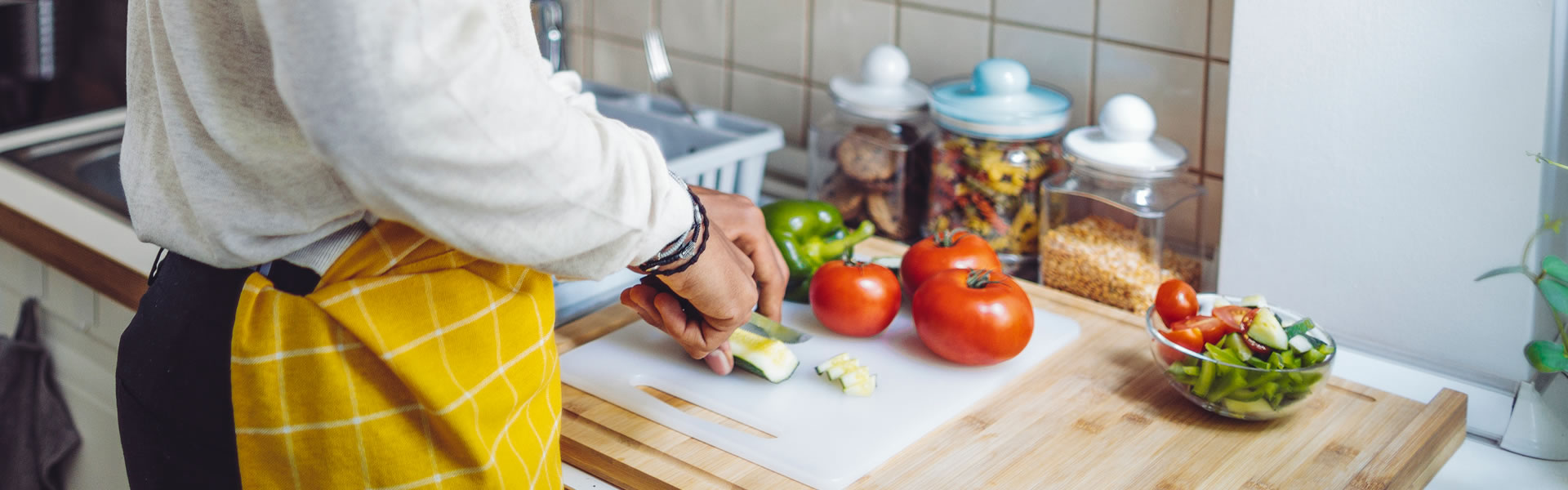
Your prep can be as simple as chopping veggies ready to add to meals or have as a snack throughout the week, or it could be grilling an entire pack of chicken breasts ready to add to meals. It could even be planning, preparing, and cooking your meals and snacks for the entire week.

Why should I do it?

By the time you get home from work at the end of the day and are feeling tired both mentally and physically, a takeaway just sounds so tempting. Does that sound familiar? No judgement if it does.

The aim of meal prepping is to make eating a healthy, balanced diet easy, so you’ve got an option ready to go that’ll help you stick to your weight loss goals.

How does it help me lose weight?

Takeaway dishes can be really high in calories thanks to cooking methods, processed ingredients, added sugar, and portion sizes. If you get into the habit of ordering a takeaway several times a week, that’s a lot of unnecessary extra calories added to your diet (and a lot of money to spend too!).

Taking the time to plan out your meals means you’re fully in control of what you eat, and you can make sure your menu for the week is tailored to your weight loss goals (calorie controlled, high in protein, etc.)

Do I have to meal prep everything?

No! Do what works for you. If you enjoy cooking to relax after work in the evening, carry on doing that. Think about what you’d like to streamline: if you know you’re short on time in the morning, focus on preparing your breakfasts in advance. But you certainly don’t have to do everything if you don’t need to.

How do I get started with meal prep?

First up, make a plan. What do you need to prepare, and for when? Are you going to go all out and try making all your meals for the week, or are you just going to focus on one thing, like prepping lunches, or making a batch of healthy snacks? Try to identify times when you feel like you need a little extra help to stay on track and start there. Figure out what’s going to work with your lifestyle, and pick foods you love to eat: this isn’t a punishment!

Isn’t it a pain in the arse?

It depends on how you look at it. It can seem like a lot of effort when in the middle of a meal prep session, surrounded by Tupperware boxes with the kitchen looking like a bomb has hit it. But that’ll soon be forgotten when you eat like a king for the rest of the week for minimal effort.

What do I need?

Time to do it.

Carve out some time to do it. Sundays are a popular time to meal prep so you can prepare for the work week ahead. If you’ve got a different working pattern, then choose a time that’ll suit you better.

A space to do it.

Before you start, make sure your kitchen is ready. It’s a lot easier to meal prep if the dishes are done and the kitchen counters are clear. The downside of meal prep is that you’re also going to be making a few days’ worth of mess when you make a few days’ worth of meals, so do your best to clean up after yourself as you go.

Something to put your meals in

People showing off their meal prep on TikTok might have fancy glass containers, but you don’t need them. Reusing old, mismatched food containers is fine – if you can find the lid, it’s good to go. Old takeaway containers are fine too but check that they’re ok to microwave.

If you’re buying new ones, things to look for are whether they’re microwave-safe, reusable, and if they’re plastic, BPA-free. Other things that can make life easier are whether they’re stackable, and if you’ve got one, suitable for the dishwasher.

An idea of what to make

The world’s your oyster when it comes to what you make for your meal prep. Think about what you enjoy eating as a starting point.

That said, there are some things that lend themselves to meal prep a little better than others. Salads that are full of leafy greens aren’t great for meal prep unless you’re eating them in the next day or two, for example.

Some things that work very well for meal prep include soups, stews, chili, oats, and curries.

Pinch of Nom, which is much-loved by MAN v FAT members, has a section for batch cooking recipes here. BBC Good Food, which is always a reliable source, has a meal prep section here, and we’re also a fan of recipe blog Beat the Budget, which has a collection of healthy, budget-friendly meal prep recipes here.


5 snacks to grab before rugby

Getting peckish a few hours before your game? We’ve got you covered with these 5 great choices to stave off the hunger.

There’s nothing worse than turning up to rugby feeling ravenous. Your body needs fuel to score those winning tries, so rather than grabbing a pack of crisps or a chocolate bar in a race to get to your club night, get your mitts on one of these snacks that your body will thank you for.

Apple and peanut butter

Simple but effective. Cut an apple into pieces and pair it peanut butter. Around 2 teaspoons or 30-35g is a great portion size to make you feel satisfied and full while keeping the calories on the lower side.

Be careful though, peanut butter can have added sugar, salt and oil so pick your brand carefully and go for one that’s purely peanuts.

Nutritional benefits:

  • Ticks off 1 of your five a day
  • Source of fibre and protein to keep you feeling full
  • Source of monounsaturated fat – the good sort of fat we need in small amounts

Banana on toast

Grab a medium sized banana, chop it up and spread it over a slice of toast. An average banana and one slice of toast keeps the calories down but again is geared to help you feel topped up. Want an even healthier option? Go for wholemeal bread.

Nutritional benefits:

  • Ticks off 1 of your five a day
  • Source of fibre (for fullness)
  • Source of potassium (for energy and endurance)

Almonds

Around 20 almonds count as a serving. Perfect snack for having on the go and the health benefits are well worth considering.

Nutritional benefits:

  • Packed with magnesium (improves exercise performance) and potassium (for energy and endurance)
  • Source of monounsaturated fat (good fats)

Hummus

Hummus is so good, and it’s so versatile. Slice up a few raw veggies (carrots, peppers, cucumbers are all good shouts) and dip away, or pair with a few breadsticks or a toasted pita.

Nutritional benefits:

  • Source of protein (great for building muscle)
  • Source of fat (giving you energy aplenty)
  • 1 (or more) of your five a day

Protein products

Protein and exercise go hand-in-hand, and with good reason. It helps you build muscle and keeps you feeling full.

You can get protein from lots of sources, but bars, shakes, and other protein-added products can be convenient if you’re in a rush, and they can be a tasty treat too. Just be sure to check the labels as bars can be higher in sugar and calories than you’d expect.

Here are a few of our favourites and how they stack up.

  • Trek Power with Lotus Biscoff protein bars – 191 calories, 12g protein per bar.
  • Danone GetPro chocolate protein mousse – 170 calories, 20g protein per pot.
  • Arla Protein blueberry yoghurt – 142 calories, 20g protein per pot.
  • MyProtein chocolate chunk protein brownie – 284 calories, 23g protein per brownie.
  • Grenade Carb Killa chocolate chip salted caramel protein bar – 222 calories, 21g protein per bar.

Keeping your motivation high

Losing weight can be tough, we all know that. It’s so twee when people call it a weight loss ‘journey’, but that’s what it is, a long road filled with ups and downs.

It’s easy to get discouraged when things aren’t going your way, like when progress feels slow, or when setbacks happen. But keeping your motivation high is key to moving on and achieving your goals, so here’s how to keep your spirits high.

Why motivation matters

Motivation can be a fleeting thing, but it’s true that it’s a main driving force behind your weight loss. When you’re motivated, you’re much more likely to make healthy choices, stick to your workout routine, and overcome obstacles. Instead of waiting for motivation to strike, you’ve got to constantly stoke the flames if you want to get anywhere with your weight loss.

Dealing with setbacks

Everyone experiences setbacks, it’s a totally normal part of life. Whether it’s down to medical problems, family emergencies, holidays, or even simply feeling too tired to workout, it happens. But it’s important to remember that setbacks are temporary, and they don’t define you.

Bouncing back from a period of low motivation can feel difficult, but there are some things that can help:

  • Think about why you started. Yes, it’s a cliché, but thinking about what initially made you want to lose weight can help you focus again. Make a list of all the reasons you’re trying to improve your health and look at it regularly.
  • Seek support. It’s hard to do things alone, so get out of your head and talk to friends, family, and your MAN v FAT Rugby teammates.
  • Reevaluate your goals. Sometimes low motivation happens because you feel overwhelmed by your goals. If that sounds familiar, break your goals into smaller, more manageable chunks and focus on ticking them off before you think about the bigger picture.

Keeping your motivation going

It’s only natural that your motivation flags, as after all, it’s hard to maintain interest in something over a long period, especially when it involves hard work. Here are some ways you can keep giving yourself reasons to keep going:

  • Reward yourself. Weight loss can be hard, so be sure to celebrate your progress, no matter how small you think your successes are.
  • Find an accountability buddy. Having someone you can exercise with can be a huge motivator, making it more enjoyable to exercise, as well as making it less likely you’ll cancel.
  • Visualise your success. Imagine how good it’s going to feel when you achieve your weight loss goals!

Be kind to yourself

Honestly, the most important thing is that you don’t beat yourself up for finding things tough. Losing weight takes time and effort, so try not to get discouraged if you’re finding it tough. Talk to your MAN v FAT Rugby coach and teammates to get some pointers for easy wins and remember that every small change is a step in the right direction. Don’t give up.


Why aren’t I losing weight?

There’s nothing more frustrating than stepping on the scales only to find that you haven’t lost anything – or worse, that you’ve gained a few pounds. It’s especially disheartening when you feel like you’ve had a good week. So what’s going on?

You’re not being entirely honest with yourself

Did you track everything you ate over the week? Or did you fudge the numbers, forget about drinks or have one too many sneaky snacks that didn’t make it into your diary?

It happens to us all at some point, and we usually don’t even realise we’ve done it. Don’t beat yourself up about it, but it can mean that you’re not losing weight because you’re adding hundreds of extra calories to your day without really thinking about it.

The solution:

  • Track everything. Everything! Keep a note of what you’re eating as you eat it. If you’re not already using an app like MyFitnessPal or Nutracheck, you should download one and get into the habit of tracking what you eat either in advance or soon after you eat. That’ll cut down on lapses in memory.
  • If you’re finding yourself constantly tempted by little treats, like doughnuts or biscuits in the office, your kid’s leftovers, or whipped cream on your Starbucks order, it’s time to be a little stricter. We know, we know, no one likes feeling deprived but at some point, you’ve got to start saying no. That doesn’t mean you can’t enjoy a doughnut ever again, it’s more about saying no to surprise calories that’ll throw your day off. By all means, plan to have a donut and figure out how you can fit it into your day, but those little extras that you’re eating without thinking? Pay attention and try and limit them.

You’re forgetting about portion sizes

Think about binge eating and you’ll probably picture masses of crisps, chocolate, and junk food. But you can overeat healthier foods too if you’re not keeping an eye on how much you’re eating.

We know it can feel like a hassle to measure what you eat, but until you get familiar with what healthy serving sizes look like, using a kitchen scale to measure out your food is the best way to ensure you don’t take in excess calories.

Check your calorie counting app for how many calories you want to spend on a food before you cook, and then measure things like pasta and rice (either dry or cooked) to make sure you’re not eating too much.

You’re forgetting about drinks

If you’ve got a pop habit, taking the often difficult step of cutting it out (or at least reducing how many cans you drink a day) can lead to a significant calorie saving. A 330ml can of Coca Cola is 139 calories, so you can see how easily the calories stack up if you have more than 1 can a day. A can of Coke Zero is 0 calories, although we admit it can be difficult to get used to the taste.

What about other drinks? Flavoured water, energy drinks, cafe coffees on the way to work? They’re all easy to forget about, especially if you automatically assume drinks aren’t high in calories (some are!)

The solution:

  • Read the labels or check nutrition facts online before you order
  • Go for sugar-free where you can
  • If in doubt, stick to water!

You’re eating out too much

We all love eating at a restaurant (we’re big fans of drive-thru too), but it’s harder to stay in control of your weight loss when you’re eating out regularly. You can find nutritional information for many places online, but most things will tend to be higher in calories than what you’d make at home because they won’t be shy when it comes to cooking with oil, deep frying, and using creamy ingredients.

Try and make more meals at home if you can. You don’t need to spend hours in the kitchen to make delicious, nutritious meals, and making things yourself is the only real way to control exactly what goes into your meals.

Your expectations are too high

Maybe you are losing weight, but it’s not as quick as you’d like. It would be amazing if weight loss was easy and quick, and you were dropping 5 or 6lbs every week. Sometimes that does happen, especially in the early days, but sometimes even shifting 1lb can feel like a battle.

The truth is that the body is a weird thing, and sometimes you can do everything right and still find you’re disappointed when your weigh day comes around.

  • If you’re losing half a pound or a pound every week but you feel like you’re not losing weight, you are! It doesn’t sound like much, but half a pound off still makes you lighter than you were last week, and it all adds up.
  • It gets harder to hit those big numbers every week as you get closer to your goal weight, so if you’re thinking that the last 10lbs you have to lose are so much harder than the 60lbs you lost before it, you’d be right.
  • It’s not impossible to do, but it does take a little more effort than when you were at your heaviest and your body was only too happy to start dropping the weight. Reassess your goals and your calorie allowance and keep going.

The most important thing to do if you feel like you’re not losing weight is to not give up. Every step towards a healthier lifestyle is a step towards achieving your goals, even if you’re not seeing it reflected on the scales. Keep going and you will see results, even if it takes longer than you’d anticipated.


Getting back into a weight loss routine

It’s all too easy to fall off the wagon, especially after you’ve had a long break from building your healthier habits. Whether you’ve had a bout of low motivation, have been on holiday, or just had some life stuff going on (it happens), put it all behind you and get back into a routine. Here’s how.

Start small

Don’t try and do everything at once. You know what you need to do to start losing weight again: eat better, watch your portion sizes, and get a bit more active. We’re not talking about killing yourself in the gym or restricting what you eat here. Think about what small, achievable goals you can start doing: take a daily walk or swap a snack for something a little healthier.

Wean yourself off

If you’ve got junk food lying around that’s make it difficult to cut back on high calorie foods, wean yourself off it. As tempting as it is, don’t immediately throw all that junk food in the garbage, because you’ll probably feel very hard done by (also who can afford to be throwing food away in this economy?!)

If sweets, chocolate, or crisps are your weaknesses, portion them out into food bags and enjoy them as a calorie-controlled treat.

Gradually do more to incorporate healthier habits into your life. If you’re ordering a takeaway too often, make a pact with yourself to cook at home twice a week and give yourself a pass on the days when a takeaway feels like the only option. Then add more and more homecooked meals until you feel like you’re back in control.

Find something you enjoy

When you enjoy what you’re doing, it’s much less likely to feel like a chore. This is especially true when it comes exercise, so put the effort into finding something you’ll enjoy, whether it’s dancing, swimming, cycling, or hiking.

Avoid boredom

Boredom is another huge reason why we fall off the wagon, because we need something to hold our interest. Why would we continue to eat the healthy homecooked meals we pour our time and effort into when our head gets turned by a cheesy, easy, fast-food meal?

Mix things up. Try new recipes and recreate your favourite takeaway dishes to add some interest to your meals. The same goes for workouts – try something new!

Plan your meals ahead

Meal prep is a great way to stay on track. Planning what you’ll eat ahead of time can help you make healthier choices and avoid impulse decisions, so it’s worth a try to see if it works for your lifestyle. Prepare a batch of healthy meals or snacks on the weekend to have ready throughout the week.

Don’t beat yourself up

It’s normal to have setbacks when you’re trying to lose weight. Don’t let them derail you, instead try to learn from your mistakes and get back on track. Weight loss takes a lot of effort and time, so try and be patient with yourself. We know it’s frustrating, but if you keep chipping away at your goals you’ll get there.

Lean on your support system

Honestly, there’s no shame in struggling to get back in the swing of things. We’ve all been there, because this stuff’s hard. Talk about how you’re doing with your fellow MAN v FAT Rugby teammates, and you’ll soon find that we all have times when we struggle.

Sharing your experiences can boost your motivation, and the support and accountability you’ll get from your teammates is incredibly helpful for setting you back on the right path.


5 ways to bounce back from a binge

Binge eating is really common among men who are trying to lose weight. It’s likely there’s been a time where you’ve thought, why did I eat all that?! We’ve all been there, and while it can feel disheartening, there are ways to bounce back.

Stop the yo-yo

We overeat, or binge, then say, ‘diet starts Monday’ while feeling guilty or disappointed. Then we radically cut back to try and make up for it.

That can only go so far, and you’re bound to find that you can’t keep the restriction up for long. And when you can’t maintain the restriction, you reach for food for comfort – all the food! And then you’re back at square one.

Break this yo-yo cycle though by accepting when you’ve maybe eaten too much and try your best to simply move on, without placing unsustainable, unrealistic restrictions on yourself.

Get back to normal as soon as possible

It’s true that a new week is a fresh start that’s full of opportunity, and it can be liberating to say ‘the diet starts on Monday’, but instead of waiting, seize the day and don’t let a bad day spiral into several.

Each meal is a new opportunity to flex your healthy eating habits. If you had one flat tire you wouldn’t slash the other three. In the same way, don’t give up on your goal because of one setback.

Drink more water

Most of us are guilty of depriving our bodies of the water it needs to function. Does that ring true? Do you get your eight glasses of fluids in a day? Drinking more water will stop you from getting dehydrated, especially after a high salt binge, and it’ll help with your digestion too.

Get moving

When you’re feeling lethargic and full after binge eating, you’re probably going to want to just lie on the sofa doing nothing except possibly clutching your belly and wailing.

Although it’ll feel like the last thing you want, the best thing you can do is to get active.
Go for a walk and blow off the cobwebs. It doesn’t need to be an especially long walk but getting yourself out of the house will take your mind off that uncomfortable full feeling and will help your body start to process all that excess food.

Cut yourself some slack

We’ve saved the most important for last. Don’t beat yourself up about the odd binge slip up. Changing your unhealthy eating habits is a monumental task and it’s not always going to be smooth sailing. Try to see it as an experience to learn from. Breaking a habit like bingeing takes time and effort to overcome.

See if you can work out if there are any triggers to your binge eating and that should put you in a good place to spot the next potential binge and try and stop it in its tracks.


The science of fighting fat

There’s a minefield of misinformation when it comes to diets and losing weight. Let’s help you navigate your way with the science behind weight loss.

Fat figures

A whopping 1 in 4 people in England now classified as obese, compared with 1 in 6 in the 1990s. 68% of men in England are now overweight too.

We know that being overweight makes us less healthy. A study published in Lancet Public Health shows a clear relationship between hospital admissions and body weight. But it also matters because being overweight makes many people unhappy.

A British Social Attitudes survey revealed that people who are overweight suffer significant stigma, and that 53% of the British public believe that most overweight people could lose weight if they tried. But the science shows that it’s not simply a matter of being weak-willed.

What’s the best diet, according to science?

When it comes down to it, the science of dieting is simple: eat fewer calories than you burn. You can do it with a low-fat diet (like the raw food diet), or a low-carb diet (like the Atkins or paleo diet). But the problem with diets is not so much losing weight, but finding a way that your weight doesn’t rocket up again the minute you stop dieting.

The best diet according to all the science and research is one that is effective, sustainable, safe and fits in with your lifestyle.

Verdict: Try a supervised diet programme to help you make lifestyle changes you can sustain and that will help you safely shed excess weight.

Do crash diets work?

Advice from the NHS is that “crash diets make you feel very unwell and unable to function properly… crash diets can lead to long-term poor health”.

The thing is, maintaining a healthy nutritional balance while restricting yourself massively can be a problem.

You might lose weight rapidly, but you’ll pile it back on equally fast when you return to a realistic eating pattern. Don’t starve yourself! Feeling full is key to successful weight loss efforts. Your brain responds to hormones and nutrients that are released from your gut into your blood. Eating a diet high in protein will help you feel fuller for longer, which helps your weight loss efforts as protein takes longer for your body to breakdown.

Verdict: Crash diets aren’t nutritionally balanced and will make you feel awful.

Do intermittent fasting diets work?

Intermittent fasting diets like the 5:2 diet are very popular. This is where you eat what you want some days a week and then eat very little on other days, typically fasting until a certain time of day. There’s no research to say it’s dangerous, and over the course of the week you will reduce the calories you’re consuming, but it might not be the right fit for you. There are other ways to do it that might be more sustainable for you and lead to overall healthier, balanced eating.

Verdict: Intermittent fasting is no more effective than other calorie-restricted diets, but if it fits in with your lifestyle it can be a good choice. Just take care to make sure you’re getting all the nutrients your body needs.

Can you be fat and fit?

This interesting question has been all the rage for the past few decades. In the UK, the general belief is that food intake is more important than exercise for losing weight.

A recent study of 3.5 million GP records by the University of Birmingham found that ‘healthy’ obese people, who had normal blood pressure and cholesterol levels, were still at higher risk of serious disease than healthy people of normal weight. The obese people had 49% increased risk of coronary heart disease, 7% increased risk of stroke, and 96% increased risk of heart failure.

Verdict: Obese people with healthy blood pressure and cholesterol still have an increased risk of heart problems and strokes.


How to cut calories without realising it

When you’re trying to lose weight, calorie counting is a great way to do it. But even so, it can feel daunting to figure out where you can cut cals in your diet. That’s why we like these switches – ways to cut calories without any of the effort.

Skip the butter

It’s delicious, but you don’t need to add butter to everything. Buttery toast is one of life’s little joys, but sometimes butter is completely masked by other flavors, and it’s in these cases you should consider skipping it. A tbsp of butter is 100 calories, which is a significant saving if you’re not tasting it.

…Or find an alternative

Ok, so sometimes butter is needed. Sandwiches, for example, are pretty dry without it, but you could use mashed avocado for a creamy alternative.

The calories in avocado can be high depending on how much you use, but avocados have other great things going for them, making them a perfect alternative to butter:

  • High in omega 3
  • High in monounsaturated fatty acids (that’s the good kind)
  • High in potassium
  • Shown to lower cholesterol levels

You could also go for hummus, coconut oil, or nut butter, but be sure to check the calories and keep an eye on how much you use.

Change up the takeout coffees

If you’re a Starbucks or Costa fan, your daily caffeine fix can come with a huge calorie price tag. We’re not saying you should stop treating yourself to coffees, rather be mindful of what you’re ordering.

A Starbucks grande white chocolate mocha, for example, is 345 calories. You could lower the calories by switching to a smaller size (a tall is 265 calories), or go for one of Starbucks’ lower-calorie options: a tall skinny vanilla latte (that’s a latte with sugar-free vanilla syrup and skimmed milk) is 107 calories (and a grande is 151 calories).

…And reduce your liquid calories

Put down the fruit juices and smoothies – they’re full of sugar and high in calories. If you love a glass of OJ, eat an actual orange instead for the added fiber bonus. Cut down on alcohol too, as it’s generally very high in calories.

You know soda isn’t the greatest choice, but sometimes it’s hard to beat. We get it. But one 330ml can of Coca-Cola is 139 calories, so keep them as the occasional treat, or switch to Coke Zero, which is (as you may have guessed), 0 calories. Does it taste the same? No, not really, but it’s still crisp and refreshing, and if you can get used to it as an alternative you could potentially save hundreds of calories a day (depending on how much Coke you drink, of course).

Spray your oil

Oil is very high in calories, so you’re probably already aware that you should use it sparingly. Still, sometimes you do need oil when cooking. Spray oil, also called cooking spray, is really low in calories (Frylight is ‘0 calories’ per ¼ second spray, although obviously if you spray more than that the calories are going to go up) and it’s an easy way to control how much oil you use.

Make your own sauces

Jarred sauces are super easy, but they can be high in calories. Sacla’s mascarpone and tomato pasta sauce is 159 calories per serving, which feels like a lot when you could make a simple sauce (tomato puree, tinned tomatoes, onions, garlic, basil) with fewer calories, and add in some mascarpone according to how many calories you’ve got spare.

Spotlight vegetables

You don’t need to replace spaghetti with zoodles (that’s noodle-shaped courgette) or to start grating cauliflower to use in place of rice – although if you do want to do that, go for it.

No, we’re just recommending that you start filling half your plate with vegetables before you add anything else. That’s it! This small change can make a big difference to the calories on your plate, as you cut down on the how much starchy carbs you have.

Keep easy-serve bags of vegetables in the freezer which you can use to easily bulk out meals.


Lose weight, Play Rugby

Secure your spot

MAN v FAT Rugby is for men with a BMI of 27.5 or over. Over 90% of players lose weight and get fitter, why not join them.

Contact

Email: rugby@manvfat.com

Phone: 0345 163 0042

Links

Social

© 2024 MAN v FAT Limited. All rights reserved.

Terms & Conditions  |  Code of Conduct  |  Privacy Policy  |  Cookie Policy

Privacy Settings
We use cookies to enhance your experience while using our website. If you are using our Services via a browser you can restrict, block or remove cookies through your web browser settings. We also use content and scripts from third parties that may use tracking technologies. You can selectively provide your consent below to allow such third party embeds. For complete information about the cookies we use, data we collect and how we process them, please check our Privacy Policy
Youtube
Consent to display content from - Youtube
Vimeo
Consent to display content from - Vimeo
Google Maps
Consent to display content from - Google