Category: Weekly Articles

6 Health Risks All Men Should Know About

Difficulties actually getting an appointment aside, how likely are you to see a GP when something’s wrong? Are you proactive, or do you just sort of hope the problem goes away?

Whether it’s laziness, embarrassment, or just a lack of self-care, it’s a known thing that men are much likely than women to see a GP when there’s something up. That’s all very well and good when it’s something minor, but what if it’s something big? Burying your head in the sand is not the way to go with your health.

We’re not saying you should ring up your GP surgery whenever you’ve got a sniffle, but there are some things everyone should be aware of.

1. Heart disease

Heart disease comes in multiple forms, encompassing conditions that affect the heart muscle, valves, or rhythm, or anything that blocks of narrows blood vessels. The result of this can be a heart attack, angina (pain), or certain types of stroke. Heart disease is the leading cause of death for men over 50.

Warning signs to watch out for:

  • Discomfort, pain, or heaviness in the chest
  • Palpitations, a fluttering or fast, noticeable heartbeat
  • Breathlessness
  • Feeling lightheaded or dizzy

How to lower your risk

Typically, heart disease is caused by smoking, obesity, high blood pressure, or raised cholesterol.

If you smoke, you should quit. Easier said than done, perhaps, but find your local stop smoking service or see your GP for help kicking the habit.

If you’re not sure what’s going on with your blood pressure and cholesterol, see your GP for a check-up, or check at your local pharmacy to see what services they offer. Try and eat a balanced diet that’s rich in fibre and low in saturated fats, and make regular exercise a part of your life.

2. Depression and suicide

Depression is a disabling mental health condition that causes low mood, but can also lead to fatigue, feelings of despair and hopelessness, and a low sex drive. Serious cases of depression can make you feel like the world would be better off without you in it (which is never true – it’s just the depression talking). Suicide is a leading cause of death for men aged 20-34, which is a devastating and scary statistic.

Both depression and suicidal thoughts can be helped with talking therapies and medication. There are many different ways to treat depression, so don’t be too proud to ask for help. See your GP and they’ll be able to point you in the right direction.

Warning signs to watch out for:

  • A persistent low mood, feeling sad, empty, irritable, on edge, or quick to anger.
  • Problems with sexual function
  • Loss of interest in everyday activities
  • Withdrawal from friends, family, work
  • Inability to cope at work/home

How to lower your risk

Depression is extremely common, with the Office for National Statistics finding that as many as 1 in 5 of us suffer from depression at some point during the year.

There’s no real way to prevent depression, but you can help to lower your risk slightly. It’s thought that eating a balanced diet, reducing alcohol consumption, and cutting down on sugary and fatty foods may help by keeping blood sugar levels steady, thus avoiding peaks and dips of energy which can affect your mood.

Exercising, too, can help, as it produces feel-good hormones called endorphins. These can lift your mood and make you feel more positive. Often the thought of exercising is off-putting when you’re feeling low, so it’s hard to push through and do it, but there are so many benefits of doing so. Give yourself permission to just do 5 or 10 minutes – something is better than nothing.

As part of our commitment to wellbeing, we’re collaborating with JAAQ, a mental health platform providing guidance and resources.

3. Lung disease

There are many types of lung disease, which all cause issues with your breathing in various ways. Examples include chronic obstructive pulmonary disease (COPD), pneumonia, and lung cancer. Respiratory disease is the third biggest cause of death in England behind cancer and cardiovascular disease.

Warning signs to watch out for:

  • A lingering cough that lasts longer than 3 weeks
  • Coughing up blood
  • Breathlessness
  • Feeling like you can’t catch your breath
  • Wheezing
  • Chest pain

How to lower your risk

Stop smoking. Yes, this is something we’ve already covered, but it can’t be stressed enough that smoking is the worst thing you can do for your health. Giving up is hard, yes, but it is doable, and your body (and wallet!) will thank you. Even if you’ve been smoking for decades, it’s still worth quitting.

Try to limit your exposure to things like second hand smoke (that’s when someone’s smoking around you), dust, fumes, and environmental smoke from burning wood and charcoal. Try to limit exercising in areas where car exhaust pollution is high too.

If you’re regularly drinking more than the NHS recommended guidelines of 14 units per week, you’re putting yourself right in the crosshairs of a variety of serious health problems, like high blood pressure, stroke, alcohol-related liver disease, digestive issues, and certain cancers.

Warning signs of alcohol dependency to watch out for:

  • Finding it difficult to control your drinking
  • Not being able to stop drinking once you start
  • Drinking alone or in secrecy
  • Drinking an increasing amount of alcohol
  • Craving alcohol, or having withdrawal effects (tremor, insomnia, agitation, nausea, loss of appetite)
  • Experiencing temporary blackouts or short-term memory loss

Warning signs of alcohol-related liver problems to watch out for:

  • Nausea
  • Loss of appetite
  • Yellowing of the skin and whites of eyes (jaundice)
  • Ankle and stomach swelling
  • Confusion
  • Vomiting blood or blood in your stool

How to lower your risk

It might sound obvious, but if you’re a heavy drinker, you should cut down. Stick to the guidelines of no more than 14 units per week, and have several alcohol-free days per week.

If you struggle with your alcohol consumption, reach out to your GP. Be honest about how much you drink and how it affects you. If you’ve built up a dependence on alcohol, going cold turkey can be dangerous, so don’t be tempted to just stop. See your GP, who will be able to signpost you to the relevant services that’ll help you stop drinking safely.

5. Type 2 diabetes

Diabetes is a condition where the body either doesn’t produce enough insulin, or can’t use it properly. There are two main types of diabetes: type 1, which is a lifelong condition not linked to your lifestyle, and type 2, which is linked to your lifestyle: namely, being overweight.

Warning signs to watch out for:

  • Frequent urination
  • Fatigue and irritability
  • Blurred vision
  • Slow-healing wounds

How to lower your risk

Know your risk level. Diabetes UK have a Know Your Risk calculator which can tell you if you’re at risk of developing type 2 diabetes. Find it here. Things that increase your risk score include being overweight, having a parent or sibling with type 2 diabetes, and being of certain ethnicities.

You can massively reduce your risk of developing type 2 diabetes and improve your diabetes if you have it by eating a balanced diet and doing regular exercise.

6. Testicular and prostate cancer

When was the last time you had a good old feel of your balls to check for any weird lumps or bumps?

Testicular and prostate cancer are two things that should be on your radar. Prostate cancer is the most common cancer in men overall, and testicular cancer is the most common cancer in men aged 15-35.

Warning signs to watch out for in testicular cancer:

  • A lump or enlargement in either testicle
  • Heaviness or pain in the scrotum
  • A dull ache in the groin, lower back, or abdomen
  • A sudden collection of fluid in the scrotum
  • Unexplained fatigue, sweating, fever, or shortness of breath

Warning signs to watch out for in prostate cancer:

  • Frequent urination
  • A weak or interrupted urine flow
  • An urge to urinate frequently at night
  • Blood in your urine
  • New erectile dysfunction

How to lower your risk

There are no known risk factors for testicular or prostate cancer. However, eating a balanced diet and exercising regularly (yup, that old chestnut) is never going to be a bad thing.

Be vigilant: make a habit of checking your testicles for anything out of the ordinary, and don’t delay seeking medical help if you do notice anything weird. The same goes for anything to do with your pee: if it’s weird for you, get it checked out ASAP.
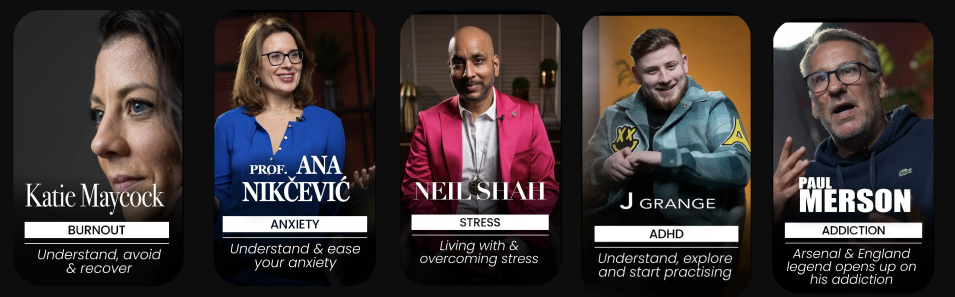
JAAQ – The Teammate in Your Pocket for Mental Fitness

Just over a year ago, we welcomed JAAQ (Just Ask A Question) into the MAN v FAT Community, and it’s been helping players across the programme ever since.
If you haven’t used JAAQ before, or perhaps it’s been a while since you last logged in, now’s the perfect time to dive back in. JAAQ isn’t just another website, it’s a trusted, confidential resource that supports your mental fitness as much as your physical fitness. Think of it as another teammate in your squad: always there, never judging, and ready to give you the boost you need.

What is JAAQ?

JAAQ is an online platform where you can ask a question and get instant answers through short video clips, typically 30–90 seconds long. The answers come from world-class experts and people with real-life experience, so the advice is practical, relatable, and trustworthy.
With over 100 topics, JAAQ covers the stuff that matters most:

Confidence, self-esteem, and body image
Stress, anxiety, and motivation
Sleep, recovery, and energy
Cravings, emotional eating, and habit-building
Addiction, grief, OCD, ADHD, autism, and more

Over 1 million questions have already been answered on the platform and our MAN v FAT community is a part of that.

What’s in it for you

Whether you’re a MAN v FAT Football, Rugby or Soccer member, life off the pitch can throw challenges your way. Missed goals, tough weigh-ins, stress at work or home, and low motivation. JAAQ is there to help you navigate all of that.

Bounce back from setbacks: Get advice on staying motivated when things aren’t going your way.
Build confidence: Honest, practical guidance on body image, mental health, and self-esteem.
Improve routines: Learn how sleep, stress management, and small daily habits make a big difference.
Support your mates: Share videos that inspire others to encourage your team.

Everything is private and judgement-free, so you can use it however and whenever works for you.

How to get the most from JAAQ

Being a MAN v FAT member gives you access to a version of JAAQ tailored to our community. Once you’re in, you can:

Search for answers to your questions.
Browse by topic to explore what matters most to you.
Watch, save, and share videos that resonate.

It’s quick, easy, and fits around your life, whether you’re on the way to a session, grabbing a coffee, or winding down at home.

Keep your head in the game

JAAQ has been part of MAN v FAT for just over a year, and it’s already helped hundreds of players get stronger in both body and mind.
If you’ve used it before, now’s a great time to dive back in. If you haven’t tried it yet, make this the week you do.

Think of it as a reliable teammate in your corner – always ready, always supportive, and always looking out for you, whether on the pitch, off it, or somewhere in between.

Log in now and see how JAAQ can give your mental fitness the same boost as your training: https://manvfat.jaaq.org/


Top 5 Snacks to Grab Before Rugby

There’s nothing worse than turning up to rugby ravenous. Your body needs fuel to score those winning tries. Rather than grabbing a pack of crisps or a chocolate bar in a race to club night, get your mitts on one of these snacks that your body will thank you for.

Apple and peanut butter

Simple but effective. Cut an apple into pieces and pair it with a fan favourite, peanut butter. Around 2 teaspoons or 30-35g is a great portion size to make you feel satisfied and full while keeping the calories on the lower side. Be careful though, peanut butter can have added sugar, salt and oil so pick your brand carefully and go for one that’s purely peanuts.

Nutritional benefits:

  • Tick 1 of your 5 a day

  • Source of fibre and protein to keep you feeling full

  • Source of monounsaturated fat – the good sort of fat we need in small amounts

Banana on toast

What’s not to like? Banana… good. Toast… gooood! Grab a medium sized banana, chop it up and spread it over a slice of toast. An average banana and one slice of toast keeps the calories down but again is geared to help you feel topped up. Want a healthy option again? Aim for wholemeal bread.

Nutritional benefits:

  • Tick 1 of your 5 a day

  • Source of fibre (for fullness)

  • Source of potassium (for energy and endurance)

Almonds

Around 20 almonds count as a serving. Perfect snack for having on the go and the health benefits are well worth considering.

Nutritional benefits:

  • Packed with magnesium (improves exercise performance) and potassium (energy and endurance)

  • Source of monounsaturated fat (good fats)

Hummus with…

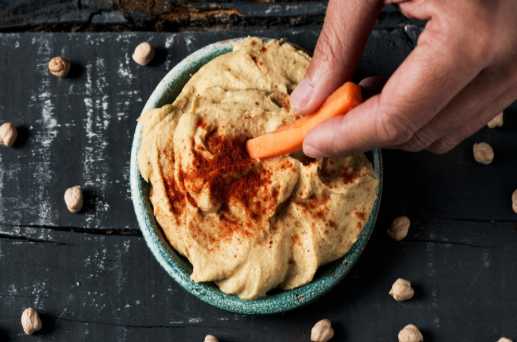
Okay let’s take a second to confess our undying love for hummus. It’s just so damn versatile. The choice is yours. Scoop it up with sticks of carrot, cucumber or pepper. Bonus points awarded for a little of each. Cut up one of each and put the rest in Tupperware to snack on tomorrow. Sly meal prepping you’re getting in there. Win win.

Nutritional benefits:

  • Source of protein (great for building muscle)

  • Source of fat (giving you energy aplenty)

  • 1 (or more) of your 5 a day

Protein shakes/bars

Protein and exercise go hand-in-hand, with good reason. It helps you build muscle and keeps the wolf from the door and you feeling full. You can get protein from lots of sources but bars and shakes are convenient and can be tasty. Just be sure to check the labels as bars in particular can be higher in sugar and calories than you’d expect. Here’s a few of our favourites and how they stack up.

  • Clif Bar Whey protein and salted caramel cashew flavour. 1 bar contains 250 calories, 11g fat, 25g carbs and 14g protein. Nice.

  • RXBar Chocolate sea salt flavour. 1 bar contains 210 calories, 9g fat, 24g carbs and 12g protein. Tidy.

  • MyProtein Protein Latte. A high protein hot drink made with coffee to really boost your energy pre-match. 1 serving contains 79 cals, 0.3g fat, 4.8g carbs and 15g protein.

Of course what’s delicious to one guy is disgusting to another so experiment until you find a combo of snacks that you love and that will get you ready for action.


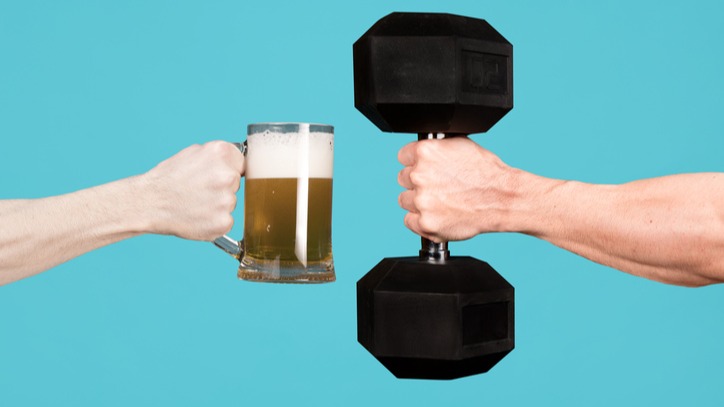
Is Alcohol a Drain on Your Muscle Gain

We’d all love to see a bit of muscle growth, but what if trips to the pub are having an impact on your gains? Here’s the surprising truth behind how alcohol affects muscle growth.

We all love a pint (or three), and it’s often an integral part of socialising. You’ll already know that alcohol is high in calories, and this can have a real impact on your muscle growth.

You don’t want to be putting in all that effort with strength training only to undo it all on a Friday night. Here’s how alcohol affects your muscle growth:

  • Drinking alcohol increases your calorie intake. Yes, it’s elementary, my dear Watson, but it’s worth being mindful of. Alcohol has 7 calories per gram before any mixers, and has zero nutritional benefits. The body wants to eliminate alcohol in its system and will burn it as fuel above all else, pushing other calories to the back of the queue, which slows down fat loss. You might be putting in hours at the gym, but even the strongest of bodies won’t look defined if muscles are covered up by excess fat.
  • A trip to the kebab shop always sounds like the best idea ever after a night on the tiles. No shame, we’ve all been there. Alcohol lowers your inhibitions and stimulates your appetite – a double whammy that’s very good news for your local kebab house but bad news for your body.
  • Alcohol interferes with muscle growth by affecting the production and release of hormones and enzymes needed for the repair and growth of muscles, like testosterone. Heavy drinking can elevate oestrogen levels, which can result in erectile dysfunction and an increased risk of prostate cancer.
  • Alcohol causes dehydration, which is an issue for a few reasons:
  • Protein synthesis – that’s when protein is made to fix muscle damage, which is what leads to muscle growth – only works if there’s enough water in muscle cells.
  • A lack of fluids can decrease blood flow to our muscles, leading to a slower rate of recovery.
  • Being dehydrated can increase the speed of muscle protein breakdown (MPB) – the opposite of protein synthesis.

Tips to build muscle

  • Eat regularly, eat well. Try to eat a varied, balanced diet that includes protein at every meal. High protein snacks include Greek yoghurt, boiled eggs, and sliced chicken.
  • Come up with a fitness plan. Following a plan will help keep you motivated and focused as well as giving you measurable goals that will highlight your progress. Balancing cardio, strength training, rest and active recovery is key. Not sure where to start? Chat to a personal trainer, who should be able to tailor a guide to your unique circumstances and goals.
  • Optimise workouts. There’s an optimum range for muscle building. Again, talk to a personal trainer, but in general reps should be between 6-12 per set, which means heavier weights for less duration. Strength workouts should last less than 45 minutes.
  • Stretch. When we do intense exercise, we damage muscle tissue. If that sounds alarming, don’t worry, that’s just how the body works. When the body grows and repairs the muscle, they go from strength to strength, and stretching can help with this.
  • Sleep. This is often overlooked, but sleep is a vital part of rest and repair as while we sleep, hormones are released to aid the recovery and growth process that leads to change. Aim for 7-9 hours a night.

As with most things in life, drinking alcohol in moderation on the odd occasion is fine. UK guidelines say you should drink less than 14 units per week to avoid serious health problems. Drinking regularly affects your exercise gains and your waistline, so if you’re serious about your gains, consider cutting back to see the most progress.

Another important part of muscle growth is your protein intake, as protein provides the essential building blocks (amino acids) your body needs to repair and grow muscle tissue after workouts. Without adequate protein, your body simply can’t rebuild the muscle fibres broken down during training. Aim to include a quality source of protein with every meal and snack to support consistent muscle repair. Combined with good hydration, smart training, sufficient rest, and mindful alcohol consumption, you’ll give yourself the best chance of making meaningful progress towards your muscle-building goals.


Fitness, Friendship, and Finding Your People

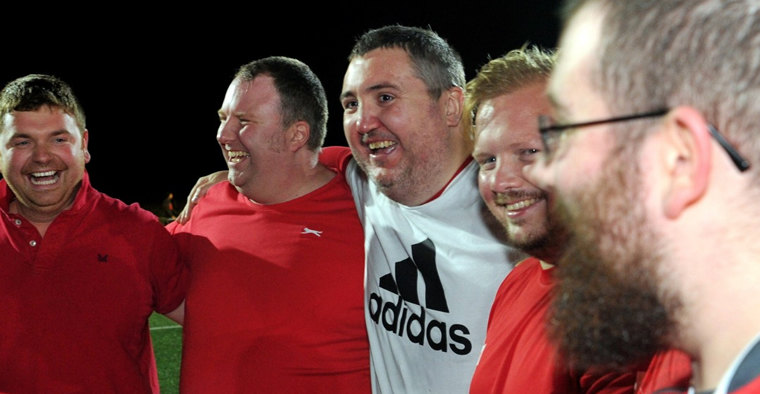
There’s no better moment to shine a light on one of the most underrated benefits of being part of the MAN v FAT squad: real camaraderie.

From Strangers to Squadmates

Let’s be honest, joining anything new as an adult can be daunting. You turn up to your first session, unsure of the format, the people, or even how your shoulders will hold up. But within weeks, many of us find ourselves looking forward to Thursday nights not just for the rugby or the weigh-in wins, but for the banter, support and brotherhood that only your team can offer.

Why? Because MAN v FAT isn’t your typical league. Every bloke there gets it. Everyone’s on the same mission. There’s no ego, no judgement, just a bunch of lads showing up for themselves and for each other.

The Draft: A Twist That Builds More Than Just Teams

Let’s talk about the Draft. Yes, that Draft. The one that comes around every three seasons and tends to ruffle a few feathers.

We get it. You’ve finally found your groove. You’ve bonded with your team, got your inside jokes, and maybe even figured out who not to pass to (we won’t name names). So the idea of being shuffled into a new team? Feels like someone’s pulled the rug out.

But here’s the thing. The Draft isn’t about breaking up friendships. It’s about building more of them.

Every time you’re put with a new bunch of lads, you’re handed an opportunity. To share what you’ve learned, to support someone who might be new or struggling, and to forge fresh connections. Before you know it, the teammate you were grumbling about last week becomes the one checking in on your steps or dragging you to an extra training session.

The Draft busts cliques, refreshes dynamics, and keeps the club inclusive. It’s a reset button, not just for teams but for perspective. And if anything, it proves that friendship in MAN v FAT isn’t limited to one squad. It’s club-wide.

Because if you’re only in it for the colour of your shirt, you’re missing the point.

It’s Not Just About Rugby

Sure, the rugby brings us together. But it’s what happens off the field that really cements the friendships.

You’ll find teammates checking in midweek on WhatsApp:

“How’s the meal prep going?”
“Fancy a jog Saturday morning?”
“Pub for a diet coke after the match?”

Suddenly, you’ve got mates in your corner, encouraging you to get your steps in, helping you dodge the chippy, and celebrating your wins – on and off the scales.

Some lads even go on holidays together. Others start side hustles or running clubs. For many, the team becomes the support network they didn’t even realise they needed.

The Science of Male Friendship

Research backs it up: men who have close friendships are more likely to maintain healthy habits, experience lower stress levels, and have better mental health overall. Yet studies also show that after a certain age, men tend to lose friendships or struggle to make new ones.

That’s where MAN v FAT bucks the trend.

By bringing men together around a shared goal – weight loss through rugby, it naturally builds bonding opportunities, weekly accountability, and a shared sense of purpose.

And the beauty? It doesn’t feel forced. It just happens.

Celebrating Our Friendship Wins

This International Friendship Day, we’re not asking you to send your teammates a bouquet of flowers (though if that’s your vibe, crack on). But maybe give them a nod. A message. A quick voice note. Or just turn up to your next game and let your effort on the field do the talking.

Because whether you realise it or not, your team has probably helped you more than you’ve said out loud.

They’ve been there during plateaus, encouraged you after a tough week, and celebrated your try-scorers and half-stone awards like they were their own.

That’s the MAN v FAT difference. It’s not just a rugby league. It’s a lifeline for friendships.

So Here’s to the Mates That Matter

To the ones who smash your excuses, who cheer your first 5K, who remind you you’re not in this alone.

Happy International Friendship Day, lads. You might have joined to lose weight, but you’ve probably gained a mate for life.


Staying Healthy on Holiday

Going on holiday is a much-needed break. Can you strike a balance between enjoying yourself and staying healthy…?

Whether you’re heading abroad or making the most of what the UK has to offer, going on holiday is an exciting time. Kicking back and relaxing is something we should all do every now and then, but you don’t want to go crazy when you’ve been working so hard to build new healthy habits. Here’s how to stay healthy and on track.

Focus on the good

If you’re dreading trying to stay ‘healthy’ when you feel like you should be enjoying yourself with no restrictions, it’s time to change the way you think about it. It’s not about denying yourself anything, it’s about what you can add to your life. And yes, that does sound cheesy, but it’s probably the secret to making this a lifestyle as opposed to a crash diet.

Think about things like: What fresh fruit and veg can you take advantage of if you’re eating abroad? Do local restaurants have interesting new ingredients or different ways of preparing healthy favourites? If you’re near the coast, feast on fresh fish – chances are it’ll be the best fish you’ve ever had.

When it comes to exercise, don’t see it as exercise. Instead see it as enjoying the local area: walking to see new sights, or enjoying the feeling the water on your skin as you go swimming. It’s all about doing what you enjoy, and having fun in healthier ways than sitting by the pool downing pint after pint.

Keeping some routine can be good too so if you’re used to doing some HIIT or strength exercises back home, and you’re staying in the UK, you can use your mobile to watch MAN v FAT Gym sessions anytime, anywhere you like.

Go easy on the booze

You should try and keep your alcohol intake to healthy levels (that’s no more than 14 units a week). Yeah, you’re probably glossing over this bit and we get it, binge drinking can be an integral part of holidaying, especially if you’re away for a stag night or going somewhere known for its alcohol. But alcohol dehydrates us, and if you’re going somewhere hot that’s a recipe for disaster. Plus, how are you going to hack sightseeing if you’re hungover every morning?!

Treat yourself

We’re not about denying yourself. Treating yourself to indulgent food and drink is one of life’s little pleasures, especially when you’re on holiday. Have a bit of what you fancy, but be mindful of your new healthy habits too – can you share a pizza with the other half and have it with a plateful of crisp, refreshing salad? Can you make just one trip to the buffet and savour it fully, instead of stuffing yourself?

Everything in moderation is a good approach for a reason, and you’ll enjoy yourself much more if you allow yourself a few treats here and there.


Avoiding Heat Exhaustion and Heatstroke

Brits are a predictable lot, and it only takes the tiniest sighting of the sun to have us reaching for the sunglasses and buying Tesco out of barbecue food.

Getting a bit of sun is good for us in many ways, as it boosts our vitamin D levels which helps to keep our blood pressure in check, supports good mental health, and maintains bone strength. As long as you slap on the sun cream before you go into the sun, it’s pretty good for us to soak up the sunshine.

But staying in the sun for too long puts us at risk of suffering from heat exhaustion or heatstroke. Let’s face it, we’re not used to being out in the heat for hours on end, so it’s easy to overheat and end up feeling ill.

Heat exhaustion is less serious than heatstroke, which should be treated as an emergency.

Signs of heat exhaustion

  • Headache
  • Dizziness
  • Nausea or vomiting
  • Loss of appetite
  • Excessive sweating
  • Pale, clammy skin
  • Faster breathing and an increased pulse
  • A high temperature (38 degrees C or above)

The treatment for heat exhaustion is to cool down. Head inside if you can or move to a cooler place. Lie down, raise your feet and drink plenty of water.

If you still feel unwell after 30 minutes of resting and drinking water, you should seek medical help.

Call 999 if:

  • your temperature is higher than 40 degrees C
  • if you’re not sweating even if you feel hot
  • if you feel confused
  • if you have a seizure


How to prevent heat exhaustion or heatstroke

The best thing you can do is actively work to prevent heat exhaustion. It’s easy to dismiss the problems overheating can bring, but you should always do the following:

  • Drink water throughout the day. Put a bottle of water in the fridge so it’s nice and cold, or make sure you’ve topped up your ice cube trays for a refreshing cold drink.
  • If you’re exercising in the heat, it’s especially important to stay hydrated, so make a conscious effort to drink more water before, during and after exercise.
  • Don’t do extremely high intensity exercise in the sun. If you’re set on doing an intense workout, do it indoors, preferably somewhere that has aircon like the gym.  
  • Avoid the sun between 11am and 3pm, which is when the sun is at its strongest in the UK.
  • Make sure you never burn. It happens quicker than you may think, so make applying sun cream a priority before leaving the house. Go for at least SPF 30 and look for at least 4-star UVA protection. Apply it to every bit of skin that’s exposed (don’t forget about your neck and behind your ears) and reapply it every 2 hours.
  • Wear a hat and sunglasses and wear light-coloured, loose clothing that’ll keep you cool.


Why Hydration is Key to Your Weight Loss Goals

We bang on about water a lot, and for good reason. Even being a little bit dehydrated can mess with your energy levels, concentration, and even make you feel hungry when you’re actually just thirsty. All of that makes sticking to your goals harder.

Top tip: Get yourself a big bottle you can carry around (bonus points if it’s got time markers on it) and sip regularly throughout the day. Water-rich foods like melon, cucumber and oranges are also great for topping up your fluids and make ideal low-calorie snacks.


Staying Cool on the field

Let’s be honest, playing rugby in 30-degree heat can feel less like a match and more like survival training. But we’ve got your back.

If you’re heading to a session in hot weather:

  • Bring a flannel to throw over your neck at half-time

  • Drink plenty of water before you arrive – don’t wait until you’re gasping

  • Chat with your coach about adding a half time break or more subs if it’s scorching

  • And don’t be a hero – if you’re feeling lightheaded, take a breather


Smart Cool-Down Strategies

You’ve smashed your session, but in hot weather, your cool-down is just as important as the workout itself. Ignore it, and you could end up feeling worse than when you started.

  • Get out of the sun straight away and find some shade or a cool indoor space

  • Stretch gently and take deep breaths to bring your heart rate down

  • Sip water slowly – no need to chug it all at once

  • Go for a cool shower, not an ice-cold one – your body needs to adjust gradually


Hot Weather Survival Checklist

Before you step outside or head to a session, make sure you’re sorted:

  •  Cold water bottle ready
  •  Sun cream applied (and packed for reapplying)
  •  Light, breathable kit 
  •  Shade scouted for resting
  •  Cooling flannel prepped
  •  Recovery snack and extra water in your bag

It might sound like a faff, but future-you will thank you when you’re not stuck in bed with heat exhaustion.


When the Heat Messes With Your Head

The heat doesn’t just zap your energy – it can mess with your mood too. If you’ve been feeling irritable, flat, or totally unmotivated to work out or stick to your plan, you’re not alone.

Hot nights = poor sleepBeing sweaty all day = low patience. It’s normal.

If your mental health is taking a hit, take a step back. Adjust your goals, move your workouts to cooler times, and give yourself permission to take it easy. The heat won’t last forever – but being kind to yourself now will pay off in the long run.

Need to talk about how you’re feeling?

Mental health matters, and we know it’s not always easy to open up. If the heat (or anything else) is getting to you, head over to JAAQ  – a platform where you can ask real questions about mental health and get answers from experts and people who’ve been there. No judgment. Just support.


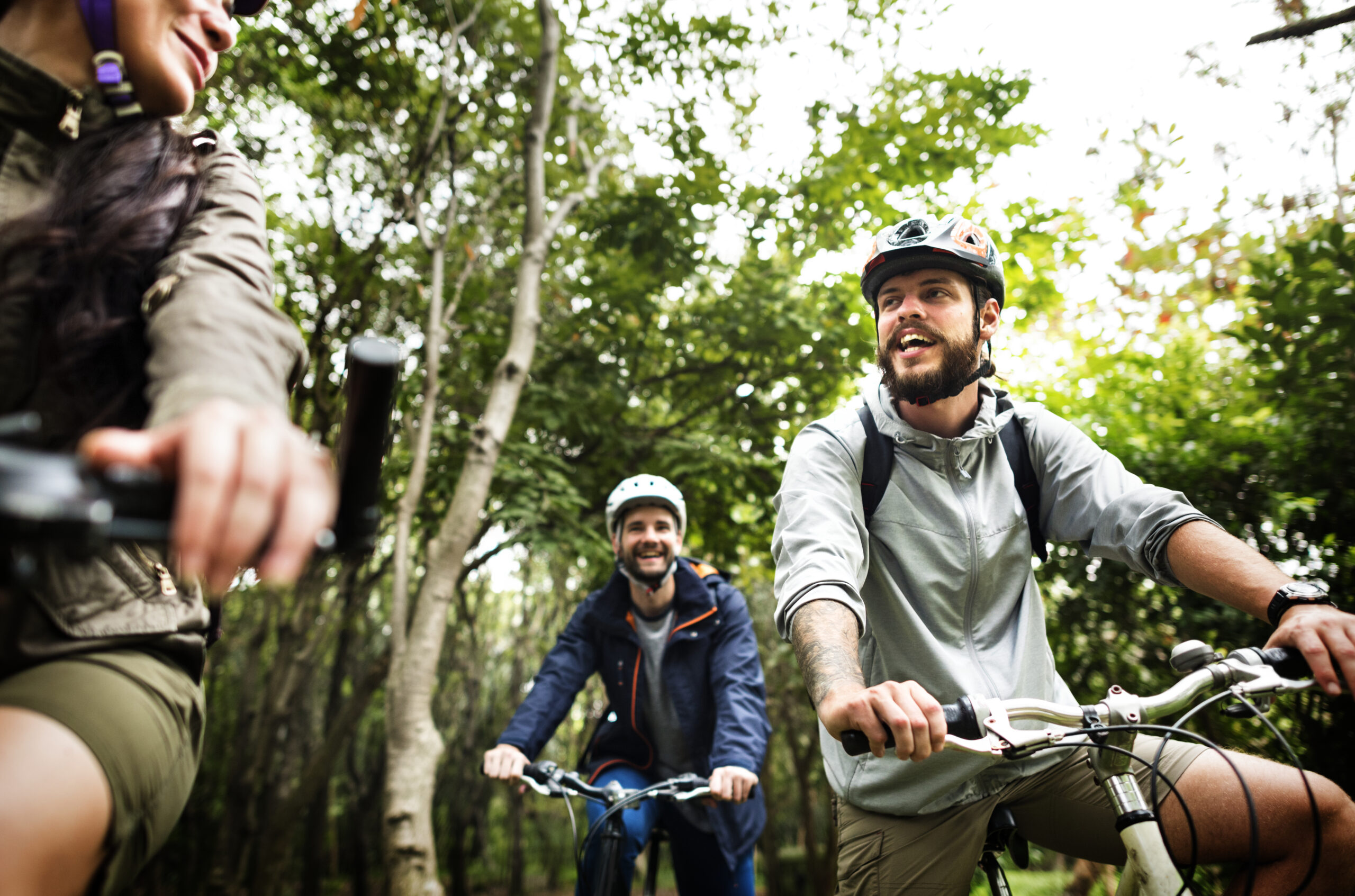
Getting Started With Cycling

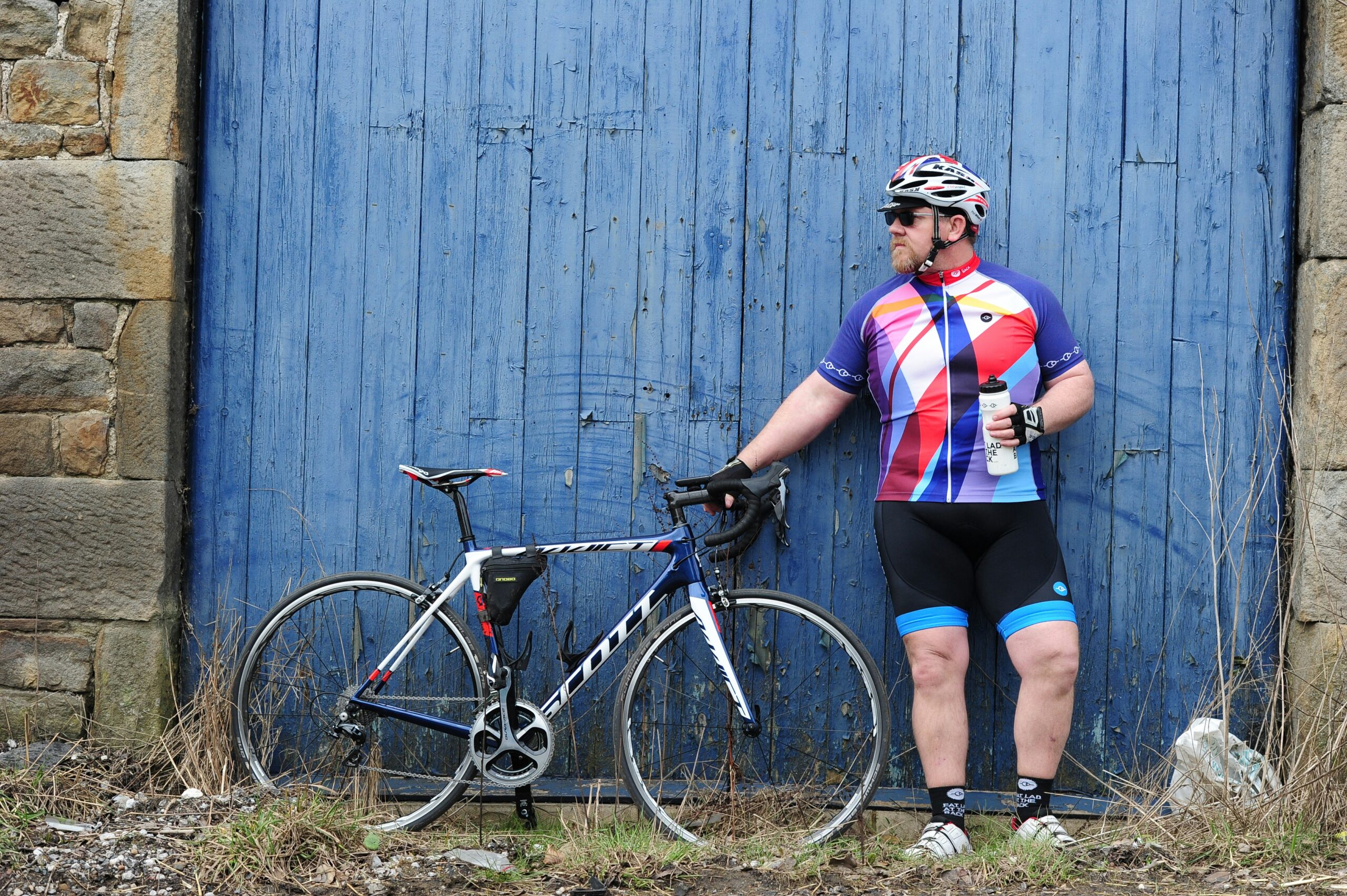
You’ve seen them whizzing past in the latest Lycra, looking like they belong on the Tour de France, but here’s the good news: you don’t need to be a lean machine or spend thousands on a carbon-fibre rocket to get started with cycling. In fact, cycling is one of the best ways to shift the pounds, boost fitness, and rediscover the simple joy of being out and about.

Why cycling?

Let’s start with why cycling is a brilliant choice for men on a weight loss journey:

Low impact, high reward – Unlike running, cycling is easier on your knees and ankles, which is ideal if you’re carrying extra weight. It gives you a solid cardio workout without leaving you battered the next day.

You control the effort – Whether it’s a gentle pootle around the park or a sweaty slog up a hill, you set the pace.

It fits into life – Commute, school run, popping to the shops – you can burn calories without carving out extra time.

Great for the head – That feeling of freedom on two wheels can do wonders for your mental health.

Picking your first bike: no need to break the bank

Forget the idea that you need to splash out on an expensive road bike or that you have to look like a pro cyclist. The key is finding a bike that feels comfortable, safe, and suits where you plan to ride. Let’s break down the options:

Hybrid bikes – These are often the best bet for heavier riders starting out. Hybrids combine features of road and mountain bikes, so you get an upright riding position (better for your back and shoulders), wider tyres for grip and stability, and a comfy seat. Great for roads, cycle paths, and light trails. If you’re not sure what you’ll enjoy most, a hybrid is a solid all-rounder.

Mountain bikes – Designed for rougher terrain, these bikes have wide, knobbly tyres, sturdy frames, and front or full suspension to handle bumps. The wide tyres and strong build make mountain bikes a good option if you want maximum stability and confidence, especially if you’re riding on trails or uneven ground. Just be aware they can feel slower on tarmac because of the extra grip.

Road bikes – These are built for speed, with skinny tyres and a forward-leaning position. While road bikes can work for heavier riders, they can feel less forgiving when you’re starting out. The riding position puts more pressure on your wrists and back, and the narrow tyres can feel twitchy on potholes or rough surfaces. If you’re set on a road bike, look for one with a strong frame (aluminium or steel rather than lightweight carbon) and wider tyres for added comfort.

Other options – You might also come across gravel bikes (a mix of road and mountain features, with chunkier tyres than a road bike) or electric bikes (e-bikes) that give you a bit of assistance on hills. Don’t rule these out – they can be fantastic confidence boosters, and e-bikes still give you a workout while helping you go further.

A quick word on weight limits

Most modern bikes will handle 100-120kg (15-19 stone) without any issue, but if you’re above that, it’s worth double-checking the manufacturer’s guidance. Many sturdy hybrids and mountain bikes can cope well, and you can always upgrade wheels or tyres down the line for extra durability if needed.

Second-hand steals – Loads of people buy bikes with the best of intentions, ride them twice, then leave them gathering dust in the shed. That’s great news for you. You can often pick up a barely used, good-quality bike for a fraction of the new price.

Check places like:

  • Facebook Marketplace

  • Gumtree

  • eBay (local collection to avoid postage faff)

  • Local bike shops that sell refurbished bikes

If you’re buying second-hand, check that:

  • The frame isn’t cracked or badly rusted

  • The wheels spin true (not wobbly)

  • The brakes and gears work

  • The tyres hold air

If you’re not sure, take a mate who knows bikes, or ask your local shop for a once-over – usually well worth the small cost for peace of mind.

What kit do you actually need?

Ignore the flashy gear for now. To get started, you’ll want:

A helmet – Your noggin is precious. Don’t skimp here.

Lights and a lock – Especially if you’re riding near traffic or at night.

Puncture repair kit or spare tube – Nothing kills your enthusiasm like a flat tyre miles from home.

Comfortable clothes – No need for Lycra. Whatever you feel good in that won’t get caught in the chain.

Water bottle – Hydration is key, even on short rides.

Optional but handy – Padded shorts (trust us on this one if you’re doing longer rides), a hi-vis jacket, and gloves.

How far should you go?

Start small. A 15-20 minute ride is plenty when you’re new to cycling, especially if it’s been a while since you last got on a bike.

Focus on time, not distance – The key is to build confidence and get your legs used to pedalling again.

Once you’re comfortable, gradually extend your rides – Aim for 2-3 rides a week to start seeing real benefits.

Don’t be ashamed of walking the bike up hills – Everyone does it at some point.

Staying motivated

Set yourself simple goals – like cycling to work once a week, or clocking 30 minutes without stopping.

Find a buddy – Riding with a mate makes it more fun, and you’re less likely to bail.

Track your progress – Apps like Strava can make your rides feel more rewarding.

Mix up your routes – Explore parks, canals, country lanes – keep it interesting.

Time to get pedalling

Cycling doesn’t have to be complicated, expensive, or intimidating. It’s about getting moving, enjoying yourself, and burning those calories in a way that feels good. Start small, build up, and before you know it, you’ll be one of those blokes you used to admire on a bike – only you’ll know that underneath the helmet is a man smashing his goals.


Playing Rugby With Diabetes

Diabetes is a condition where blood sugar levels can get too high. As it tends to be a lifelong condition, it’s important to learn how to best manage it.

Being active has many benefits, especially when you have diabetes as staying active can help your body use insulin better.

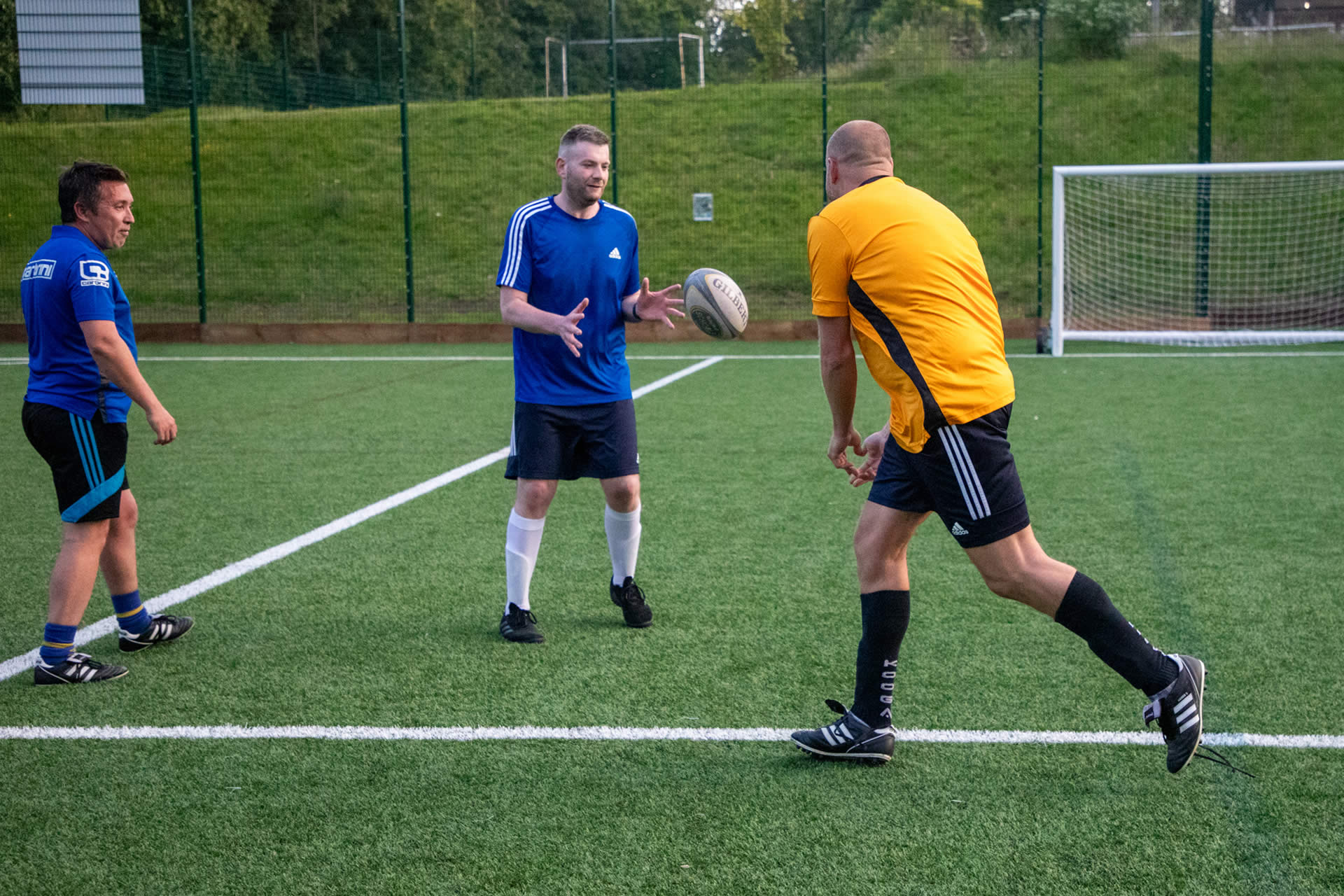
Rugby is great exercise because it incorporates bursts of high intensity activity along with periods of low intensity activity, but it’s for this reason you’ll need to monitor your diabetes.

If you have a blood sugar testing machine, test before and after your match to see how it affects your levels as being physically active can make your blood sugar level go up or down.

You might have to change what you eat both before and after your time on the field to keep your blood sugar levels in check. To stop them getting too low, have a snack with starchy carbs before you get on the field.

Figuring out what playing rugby does to your diabetes can be a case of trial and error, so remember to make a note of your levels and how you feel when you’re on the field, so you’ll know what to change next time.

Be prepared for blood sugar highs and lows

Playing rugby can affect your blood sugar in different ways, so it’s important to be prepared in case your levels go too high or too low. Knowing the signs and having a plan in place can help you stay safe and feel more confident on the field.

Low blood sugar (a hypo)

Can happen during or after exercise. You might feel shaky, sweaty, dizzy, confused or very hungry. If this happens, stop playing straight away and have something sugary – like glucose tablets, a small carton of juice or a few jelly babies. Follow it up with a longer-acting carbohydrate snack such as a cereal bar or a sandwich to help keep your levels steady.

High blood sugar (a hyper)

Might make you feel very thirsty, tired or give you a headache. This can happen if your insulin levels are off or you’re dehydrated. Sip water, rest, and monitor your levels if you’re able to.

It’s a good idea to bring a small “hypo kit” with you on match days. Include quick sugary snacks, some water and any testing kit you usually use. Let your MAN v FAT coach or a teammate know that you have diabetes and what they should do if you feel unwell – it only takes a moment but could make a real difference.

You might also need to adjust your insulin dosage before, during or after you exercise to bring your blood sugar levels into a normal zone. It’s best to ask your diabetes care team for advice on doing this, as it differs for everyone, and they’ll know best based on your diabetes history.

Look after your feet

If you’re going to be playing rugby regularly, you need to think about what you wear on your feet. It’s important that you wear well fitting, comfortable boots. You can check with your MAN v FAT rugby coach to see what type of boots are required for your MAN v FAT rugby club’s pitch.

It’s also important that you look after your feet. Foot problems can be serious for people who have diabetes, so you should regularly check yours for any signs of damage (e.g. cuts, bruises or swelling), especially if you’re experiencing numbness or poor circulation.

Take it easy

It’s worth remembering that you can play as little or as much of a MAN v FAT rugby game as you want. If you need to take a breather, it’s completely fine to stop.

Ask your diabetes care team for advice on managing your diabetes while playing rugby. They’ll know your medical history and will be able to draw on their medical knowledge and experience to help you come up with a plan.


Working it out: exercise after injury

Depending on the severity of your injury, exercise can be challenging or not possible at all. So how can you return to exercise after injury safely?
 

It’s vital that we give our bodies time to heal after an injury. Trying to return to or start an exercise regime too soon after getting injured will lead to further issues and downtime. That’s why it’s so important that when you’re ready to start exercising again, you do it safely.

Go easy

Before you start exercising again, it’s a good idea to get the green light from your healthcare professional like a GP or physio. They’ll be able to tell you what activity levels to aim for to avoid further injury.

If your injury allows it, start by increasing your everyday activity by walking. Start slowly with short distances and duration, and build on it over time. Doing this will start to increase your fitness levels.

Start with stretching

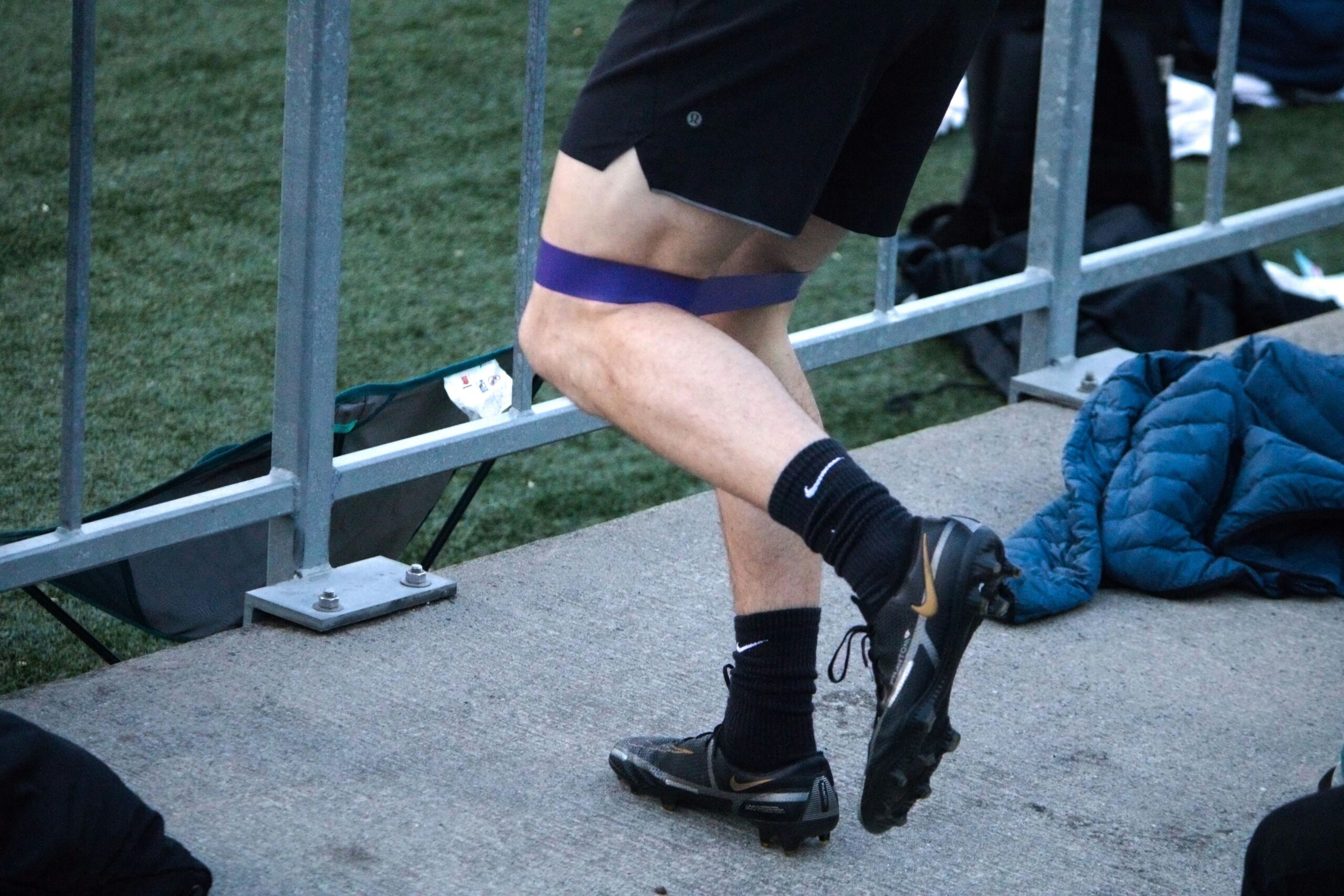
Injury often creates areas of tension and sometimes causes other body parts to overcompensate for the parts that are out of action. Stretching is a great way to improve blood flow to our muscles, to get our bodies feeling warmer and more supple. It’s also a low-impact way of moving that lets you listen to your body for signs of discomfort.

Listen to feedback from your body

Pain, numbness and discomfort are all ways of your body telling you there’s something wrong. If you experience any of these during or just after exercising, you should stop and dial down the intensity.

In general, if your symptoms haven’t worsened the day after a workout, you can increase the intensity of your workout next time.

Sleep well, eat well

Sleeping and eating well both make a huge difference to recovery. Sleep helps our body repair cell damage, and you should aim for 6-9 hours a night.

A balanced diet gives us the nutrients we need for healing and growth, so pack your diet with fibre-rich, colourful fruit and veg, lean proteins like chicken, pulses and fish, and healthy fats like olive oil, nuts and avocado to promote recovery and optimum functioning.

Moving forwards

Once you’re comfortably doing everyday activities and are able to do a simple stitching routine without discomfort, you’re probably ready to move on to gentle aerobic and strength training.

You’ll have to work your way up to being able to participate in high-impact exercise like rugby, football and running, but by starting small and listening to your body you’ll give yourself the best possible chance of returning to normal fitness levels.

Not quite match fit?

If you’re not quite ready to return to playing, don’t worry, recovery takes time. But that doesn’t mean you have to go it alone. Our Injury Membership lets you stay involved with your team, access support, and keep yourself accountable – all at a reduced monthly fee while you’re off the field. It’s a great way to stay on track both physically and mentally, so when you are ready to return, you’re not starting from scratch. To find out more about the injury membership, drop a message to your Player Support Team.


Lose weight, Play Rugby

Secure your spot

MAN v FAT Rugby is for men with a BMI of 27.5 or over. Over 90% of players lose weight and get fitter, why not join them.

Contact

Email: rugby@manvfat.com

Phone: 0345 163 0042

Links

Social

© 2024 MAN v FAT Limited. All rights reserved.

Terms & Conditions  |  Code of Conduct  |  Privacy Policy  |  Cookie Policy

Privacy Settings
We use cookies to enhance your experience while using our website. If you are using our Services via a browser you can restrict, block or remove cookies through your web browser settings. We also use content and scripts from third parties that may use tracking technologies. You can selectively provide your consent below to allow such third party embeds. For complete information about the cookies we use, data we collect and how we process them, please check our Privacy Policy
Youtube
Consent to display content from - Youtube
Vimeo
Consent to display content from - Vimeo
Google Maps
Consent to display content from - Google